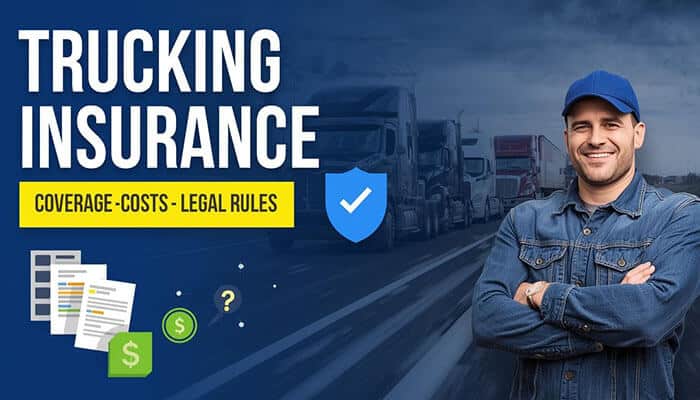

Total Trucking Insurance Services play a critical role in protecting the trucking industry, which itself plays a vital role in global commerce by transporting billions of tons of goods across cities, states, and international borders every year. From consumer products to heavy industrial equipment, commercial trucks ensure supply chains remain active and businesses continue operating smoothly. However, trucking operations also come with serious risks, including road accidents, cargo theft, vehicle damage, and legal liabilities. Total Trucking Insurance Services provide comprehensive protection designed specifically to help trucking businesses manage these risks while maintaining financial stability.
For owner-operators, small trucking companies, and large fleet operators, having the right insurance coverage is essential for protecting trucks, drivers, cargo, and business assets. Total Trucking Insurance Services combine multiple types of coverage into a single risk-management solution, helping companies comply with transportation regulations and recover from unexpected losses. By understanding how these insurance services work, trucking businesses can reduce financial exposure and operate more confidently in a highly competitive industry.
What Are Total Trucking Insurance Services?
Total trucking insurance services refer to a comprehensive insurance package designed specifically for the trucking and freight transportation industry. Instead of purchasing separate policies for different risks, trucking businesses can obtain bundled coverage that protects multiple aspects of their operations.
These services typically provide protection for:
- Trucks and trailers
- Drivers and employees
- Cargo shipments
- Business liabilities and legal risks
Insurance providers offering total trucking insurance services usually assist trucking companies by:
- Providing customized insurance coverage based on business operations
- Ensuring compliance with transportation regulations
- Protecting trucks, cargo, and drivers from financial loss
- Managing risks related to freight transportation
Many insurance packages also include expert guidance, quick processing of insurance certificates, and policy customization for specific trucking operations.
Because trucking companies face risks such as accidents, cargo theft, equipment damage, and lawsuits, insurance acts as a financial safety net that allows businesses to recover and continue operating after unexpected events.
Why Trucking Insurance Is Essential for Trucking Businesses
Trucking operations involve heavy vehicles, long-distance routes, and valuable cargo shipments. These factors increase the likelihood of accidents, legal disputes, and financial losses.
Key Reasons Trucking Insurance Is Critical
| Reason | Explanation |
|---|---|
| Legal compliance | Many regions require trucking companies to carry minimum liability insurance. |
| Financial protection | Covers damage to trucks, cargo, and third-party property. |
| Risk management | Protects companies from lawsuits and liability claims. |
| Business continuity | Prevents major financial losses after accidents. |
| Industry credibility | Brokers and shippers often require proof of insurance before assigning loads. |
Without adequate insurance coverage, even a single accident could result in significant financial losses or business closure.
Trucking Industry Accident Statistics
Understanding accident risks highlights why trucking insurance is essential.
Data from the Federal Motor Carrier Safety Administration shows that large trucks are involved in hundreds of thousands of crashes each year in the United States.
Key statistics include:
- Over 500,000 large truck crashes occur annually in the U.S.
- Approximately 5,000 fatalities per year involve large trucks
- Property damage and cargo losses can reach millions of dollars in severe accidents
These statistics demonstrate why trucking businesses require strong insurance protection to manage potential financial liabilities.
Legal Requirements for Trucking Insurance
Commercial trucking companies must follow transportation insurance regulations. Requirements vary depending on cargo type, vehicle weight, and operating routes.
For example, trucking companies operating across state lines in the United States must follow regulations established by the Federal Motor Carrier Safety Administration (FMCSA).
Minimum Liability Insurance Requirements
| Cargo Type | Minimum Required Coverage |
|---|---|
| General freight | $750,000 |
| Oil transport | $1,000,000 |
| Hazardous materials | $1,000,000 – $5,000,000 |
These minimum coverage levels ensure trucking companies can compensate victims in the event of accidents involving commercial vehicles.
Types of Coverage in Total Trucking Insurance Services
A comprehensive trucking insurance package includes several policies designed to address different operational risks.
1. Primary Liability Insurance
Primary liability insurance is usually mandatory for commercial trucking operations.
What It Covers
- Bodily injury to other drivers or pedestrians
- Property damage caused by the truck
- Legal defense expenses related to accidents
This coverage protects third parties involved in accidents caused by the trucking company.
2. Motor Truck Cargo Insurance
Cargo insurance protects the goods being transported.
Coverage Includes
- Cargo theft
- Damage during transit
- Accidents involving transported goods
Many freight brokers require cargo insurance before allowing truckers to transport shipments.
3. Physical Damage Insurance
Physical damage insurance protects the truck itself.
Types of Physical Damage Coverage
| Coverage Type | What It Covers |
|---|---|
| Collision | Damage caused by accidents or rollovers |
| Comprehensive | Theft, vandalism, fire, or natural disasters |
This policy ensures truck owners can repair or replace damaged vehicles.
3. General Liability Insurance
General liability insurance protects trucking companies from common business risks.
Examples of Covered Incidents
- Property damage at loading docks
- Third-party injuries during loading or unloading
- Legal claims related to business operations
This coverage often includes legal defense costs and settlement payments.
4. Bobtail Insurance
Bobtail insurance protects trucks when they are driven without a trailer attached.
- When Bobtail Insurance Applies
- Driving home after delivering a load
- Traveling between jobs without cargo
- Operating without an active dispatch
This policy protects drivers even when the truck is not actively hauling freight.
6. Non-Trucking Liability Insurance
Non-trucking liability insurance protects drivers when using commercial trucks for personal purposes.
Examples include:
- Running personal errands
- Driving the truck off duty
- Traveling outside work assignments
7. Trailer Interchange Insurance
Trailer interchange insurance protects trailers owned by other companies when used by the insured driver.
Coverage includes:
- Trailer damage
- Theft
- Repair costs
8. Occupational Accident Coverage
Occupational accident insurance protects drivers in case of workplace injuries.
Coverage may include:
- Medical expenses
- Disability payments
- Accidental death benefits
Trucking Insurance for Different Types of Operations
Different trucking businesses require different insurance structures depending on their operations.
Insurance Needs by Business Type
| Trucking Type | Recommended Coverage |
|---|---|
| Owner-operators | Liability, cargo, bobtail, physical damage |
| Small trucking companies | Liability, cargo, general liability |
| Fleet operators | Fleet insurance, umbrella liability |
| Hotshot trucking | Cargo and physical damage coverage |
| Refrigerated trucking | Reefer breakdown insurance |
A customized policy ensures appropriate protection for each type of trucking operation.
How Insurance Companies Evaluate Trucking Risk
Insurance providers analyze several factors when determining trucking insurance premiums.
Key Risk Factors
- Driver experience and safety record
- Accident and violation history
- Type of freight transported
- Truck condition and age
- Operating regions and travel distance
- Safety policies implemented by the company
Companies with experienced drivers and strong safety programs typically receive lower insurance premiums.
How Much Does Trucking Insurance Cost?
The cost of total trucking insurance services varies depending on multiple factors.
Factors Affecting Premiums
- Number of trucks in the fleet
- Type of cargo transported
- Driver experience and safety records
- Operating locations and travel routes
- Value of trucks and equipment
- Coverage limits and deductibles
Typical Cost Estimates
| Business Type | Average Annual Cost |
|---|---|
| Owner-operator | $8,000 – $15,000 |
| Small fleet | $20,000 – $60,000 |
| Large fleet | $100,000+ depending on fleet size |
Actual costs vary depending on risk exposure and insurance provider policies.
Cargo Theft Risks in the Trucking Industry
Cargo theft is a growing concern in the transportation industry. High-value shipments such as electronics, pharmaceuticals, and luxury goods are frequent targets.
Industry reports estimate that cargo theft losses exceed hundreds of millions of dollars each year globally.
Common cargo theft methods include:
- Hijacking trucks during transit
- Theft at warehouses or truck stops
- Identity fraud in freight brokerage
- Cargo insurance helps protect trucking businesses against these financial risks.
How Trucking Insurance Claims Work
When accidents or damages occur, trucking insurance policies help cover financial losses through a structured claims process.
Typical Claims Process
- Report the incident to the insurance provider immediately.
- Document damage using photos, police reports, and witness statements.
- Submit claim documentation and supporting evidence.
- Insurance adjusters investigate the incident.
- The insurer approves settlement payments or vehicle repairs.
Proper documentation helps speed up the claims process and reduces the risk of claim rejection.
Documents Required for Trucking Insurance
Insurance providers typically require several documents before issuing a trucking insurance policy.
Commonly Required Documents
| Document | Purpose |
|---|---|
| Commercial Driver’s License (CDL) | Verifies driver qualifications |
| Vehicle registration | Confirms truck ownership |
| DOT or operating authority | Ensures regulatory compliance |
| Driver safety records | Evaluates risk history |
| Cargo details | Determines coverage requirements |
Preparing these documents in advance can accelerate policy approval.
Benefits of Total Trucking Insurance Services
Choosing a comprehensive trucking insurance package offers several advantages.
Comprehensive Protection
Combines multiple policies into a single risk-management solution.
Regulatory Compliance
Ensures trucking companies meet required insurance standards.
Financial Stability
Protects businesses from severe financial losses.
Professional Risk Guidance
Insurance specialists help companies choose the right coverage.
Business Credibility
Many freight brokers require proof of insurance before assigning shipments.
How Trucking Companies Can Reduce Insurance Costs
Insurance premiums can represent a major operational expense for trucking companies.
Strategies to Reduce Insurance Premiums
- Implement driver safety training programs
- Use GPS and telematics monitoring systems
- Maintain trucks regularly
- Hire experienced drivers with clean driving records
- Bundle multiple insurance policies
- Increase deductibles where appropriate
Companies that prioritize safety often qualify for insurance discounts and lower premiums.
Common Mistakes Trucking Companies Make
Many trucking businesses unknowingly expose themselves to risk through insurance mistakes.
Avoid These Errors
- Purchasing only minimum liability coverage
- Underestimating cargo value
- Ignoring bobtail or non-trucking liability coverage
- Failing to update policies as fleets expand
These mistakes can lead to claim denials or significant financial losses.
The Future of Trucking Insurance
The trucking insurance industry is evolving with new technologies and data-driven risk management strategies.
Emerging Trends
- Telematics-based insurance pricing
- Artificial intelligence risk analysis
- Usage-based insurance models
- Driver monitoring and safety systems
These innovations allow insurers to assess risk more accurately and reward safe trucking operations with lower premiums.
Final Thoughts
Total trucking insurance services play a critical role in protecting trucking businesses from operational, financial, and legal risks. By combining multiple coverages—such as liability, cargo, physical damage, and bobtail insurance—these policies provide a comprehensive safety net for drivers, fleets, and logistics companies.
For trucking companies, insurance is not only about meeting regulatory requirements. It is also about protecting business assets, maintaining financial stability, and ensuring long-term operational success in the highly competitive transportation industry.
Investing in a complete trucking insurance solution allows trucking businesses to focus on what matters most—delivering goods safely, efficiently, and profitably while minimizing financial risk.
Total Trucking Insurance Services FAQs
1. How does telematics technology affect Total Trucking Insurance Services premiums?
Telematics systems installed in commercial trucks collect data on driver behavior, speed, braking patterns, and route efficiency. Insurance providers may use this information to evaluate risk more accurately. Trucking companies with strong safety data often qualify for lower premiums under Total Trucking Insurance Services because insurers can verify responsible driving habits.
2. Can Total Trucking Insurance Services cover downtime when a truck is under repair?
Some trucking insurance policies include optional downtime or loss-of-income coverage. This protection compensates trucking businesses for lost revenue when a truck cannot operate due to an insured accident or mechanical failure. Adding this option can help fleet operators maintain financial stability while vehicles are being repaired.
3. Do Total Trucking Insurance Services cover cross-border trucking operations?
Trucking companies operating internationally may require additional coverage extensions within their Total Trucking Insurance Services policy. Cross-border operations often require compliance with insurance regulations in multiple countries, and specialized endorsements may be needed to ensure trucks, cargo, and liability are covered outside domestic territories.
4. How does cargo value impact Total Trucking Insurance Services coverage limits?
The value of transported cargo significantly affects insurance coverage limits. High-value goods such as electronics, pharmaceuticals, or luxury products typically require higher cargo insurance limits. Trucking companies may need customized Total Trucking Insurance Services policies to ensure that expensive shipments are fully protected during transit.
5. Can trucking companies adjust their Total Trucking Insurance Services policies as their fleet grows?
Yes, most insurance providers allow trucking businesses to update or expand their policies as fleet size, cargo types, or operating routes change. Regular policy reviews ensure that Total Trucking Insurance Services continue to provide adequate coverage and reflect the company’s current risk exposure.
Disclaimer
This content is provided for general informational and educational purposes only.
Insurance policies, regulations, and requirements may vary depending on location and provider.
Always consult a licensed insurance professional or legal advisor before making insurance decisions.