

Errors and omissions insurance is a critical safety net for professionals who offer advice, services, or expertise. This insurance protects against legal claims and financial losses resulting from mistakes, negligence, or failure to deliver services as promised. Whether you’re a consultant, lawyer, architect, or healthcare professional, having E&O insurance is essential to protect your business, reputation, and financial future.
In this article, we’ll dive deep into Errors and Omissions Insurance, exploring what it is, who needs it, what it covers, and how to choose the right policy. Additionally, we’ll provide insights into common mistakes, costs, and strategies to improve your coverage in 2026. By the end of this article, you’ll have a comprehensive understanding of E&O insurance and how it can safeguard your business.
What Is Errors and Omissions Insurance?
Errors and omissions insurance, also known as professional liability insurance, protects businesses and professionals from claims of negligence, errors, and omissions in the services they provide. If a client claims they suffered financial loss due to an error or omission in your work or advice, E&O insurance helps cover legal defense costs, settlements, or judgments.
Who Needs Errors and Omissions Insurance?
Virtually any professional who provides expert advice or services could be vulnerable to a claim. Below are common industries and professions that benefit from E&O insurance:
- Consultants and Coaches: If clients rely on your advice, they may claim financial loss if your guidance leads to poor results.
- Lawyers and Accountants: Even minor mistakes in legal filings or financial statements can result in costly lawsuits.
- Healthcare Providers: Medical malpractice claims, such as incorrect diagnoses or treatment errors, are often covered by professional liability insurance.
- Technology Providers: Software developers, IT consultants, and tech firms can face claims for errors in code, software failure, or data breaches.
- Architects and Engineers: Clients may sue if your designs lead to construction issues, cost overruns, or safety concerns.
If your profession involves providing expertise, advice, or services, E&O insurance is essential.
What Does Errors and Omissions Insurance Cover?
E&O insurance typically covers the following:
1. Negligence Claims
If your services or advice fall short of what is expected, clients may file negligence claims. For instance, an accountant who miscalculates a tax filing could face a negligence claim from their client.
2. Errors in Services or Advice
If your professional advice leads to a financial loss, the policy can cover the cost of defending yourself and settling the claim.
3. Misrepresentation or Omission
If you fail to disclose essential information to your client or make a misrepresentation, E&O insurance can cover the damages, legal fees, and settlement costs.
4. Legal Defense Costs
Even if the claim is unfounded, the legal defense costs can be expensive. E&O insurance helps cover these costs, which can be overwhelming for businesses without coverage.
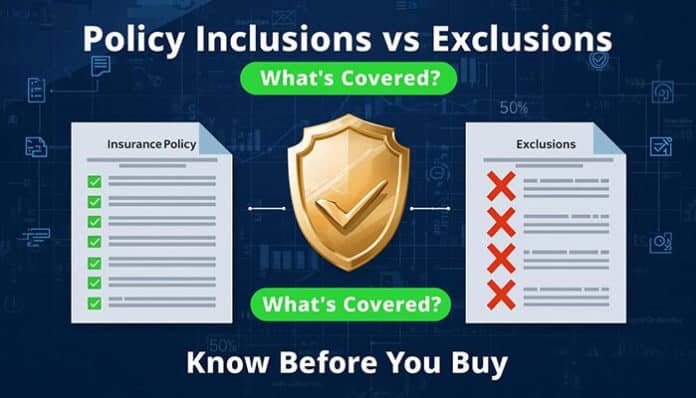
What Does Errors and Omissions Insurance Not Cover?
While E&O insurance provides broad protection, there are some exclusions:
1. Intentional Acts
If you intentionally harm a client or engage in fraudulent activities, these actions are not covered under E&O insurance.
2. Criminal Acts
E&O insurance doesn’t cover criminal offenses or fines. For example, if a client sues you for fraud or theft, E&O insurance will not provide coverage.
3. Employee-Related Issues
If an employee is harmed on the job or there are workplace disputes, E&O insurance doesn’t cover these claims. You’ll need workers’ compensation insurance for that.
4. Bodily Injury and Property Damage
For incidents involving physical injury or property damage, you’ll need general liability insurance. E&O insurance only covers financial losses due to professional mistakes.
How to Choose the Right Errors and Omissions Insurance for Your Business
Choosing the right E&O insurance policy involves understanding your business’s risks and selecting the coverage that best protects your interests. Here are several key factors to consider when choosing a policy:
1. Assess Your Industry Risks
Different professions have different levels of risk. An architect may face higher claims related to building defects, while a tech consultant might be more exposed to software-related failures. Knowing the specific risks in your industry will help tailor your coverage.
2. Determine Coverage Limits
Each policy has a coverage limit, which is the maximum amount your insurance will pay in the event of a claim. It’s important to assess your business’s exposure and choose a policy with limits that align with potential risks. As your business grows, consider increasing your coverage limits to reflect higher risks.
3. Understand Deductibles
A deductible is the amount you need to pay out-of-pocket before the insurance policy kicks in. While a lower deductible can reduce your out-of-pocket expenses in the event of a claim, it often comes with a higher premium. Balance between affordable premiums and appropriate deductibles to suit your business needs.
4. Review the Policy Terms
Not all E&O insurance policies are the same. Make sure you review the policy’s terms and conditions carefully. Look for exclusions, such as the ones discussed earlier, and check whether the policy includes retroactive coverage or protects against claims that arise from past work.
5. Check for Legal Requirements
Some professions require specific levels of E&O insurance coverage. For example, lawyers, accountants, and healthcare professionals often have legal obligations to carry certain types of insurance. Ensure you meet these requirements to avoid legal trouble.
Costs of Errors and Omissions Insurance
The cost of E&O insurance varies based on several factors, including your industry, business size, claims history, and coverage limits. Generally, smaller businesses can expect to pay between $500 to $3,000 annually, while larger companies or high-risk professions may pay significantly more.
Factors affecting cost include:
- Industry risk level
- Number of employees
- Annual revenue
- Claims history
- Coverage limits
Real-Life Case Studies of E&O Claims
To understand the importance of E&O insurance, let’s look at a couple of real-life scenarios:
Case Study 1: Software Developer
A software developer created a custom solution for a client. After deployment, the software failed to integrate with the client’s systems, leading to a significant financial loss. The client sued for negligence, but the developer’s E&O insurance covered legal defense costs and settlement fees, saving the business from financial ruin.
Case Study 2: Financial Advisor
A financial advisor recommended an investment strategy to a client that led to a substantial loss. The client sued for damages, claiming the advisor’s advice was faulty. The advisor’s E&O insurance provided coverage for the legal defense and helped settle the case, allowing the advisor to continue operations.
How to Avoid E&O Claims
While E&O insurance is essential, the best defense is to minimize the chances of a claim occurring in the first place. Here are some tips:
- Maintain clear communication with clients: Set realistic expectations and explain your services clearly in writing.
- Keep detailed records: Document all client interactions, advice given, and changes made to contracts or plans.
- Invest in ongoing education: Stay updated on the latest industry practices, regulations, and risk management techniques.
- Use contracts and agreements: Always use well-drafted contracts to clarify your scope of work and avoid misunderstandings.
Errors and Omissions Insurance FAQs
1. What is Errors and Omissions (E&O) insurance?
E&O insurance protects businesses from claims of negligence, mistakes, or omissions in the professional services or advice they provide.
2. Do I need E&O insurance if I’m a freelancer?
Yes, freelancers offering professional services should have E&O insurance to protect against client claims related to errors or omissions.
3. How much does E&O insurance cost?
Costs vary, but small businesses can expect to pay between $500 to $3,000 annually, depending on the profession, coverage limits, and risk factors.
4. What is the difference between E&O and general liability insurance?
E&O covers professional errors and negligence, while general liability insurance covers bodily injury or property damage claims.
5. Does E&O insurance cover past work?
Many policies include retroactive coverage, but it’s important to check your policy’s specifics.
Conclusion
Errors and Omissions Insurance is a must-have for any professional who provides advice, services, or expertise to clients. In an increasingly litigious world, protecting your business against potential claims of negligence, mistakes, or omissions is essential to maintaining your reputation and financial stability. By understanding the coverage options, costs, and key factors in choosing a policy, you can make an informed decision to protect your business in 2026 and beyond.
