

Power outages can create serious problems — especially for medically vulnerable households, rural families, or people with critical needs. Many people wonder: How to get a free generator from the government? The short answer is: not usually, but in specific situations and programs, you might receive assistance that covers a generator or reimbursement for one you already own. In this complete guide, we’ll walk through legitimate government programs, eligibility requirements, how to apply, potential reimbursements, and how to avoid scams.
Power failures can leave communities without access to basic needs, including food, medical care, and communication. Government programs that help with backup power solutions are particularly beneficial in ensuring that vulnerable individuals, such as the elderly or those with medical conditions, aren’t left without support. While free generators are rare, qualifying for aid can make a significant difference during emergencies.
If you’re wondering how to get a free generator from the government, it’s essential to understand that most programs do not give away free generators directly. However, specific government initiatives such as FEMA disaster relief, LIHEAP assistance, or medical reimbursement programs may help provide support in the form of financial aid, discounted generators, or even reimbursement for one you’ve purchased. These programs typically target areas affected by disasters or individuals with critical medical needs, and applications can be straightforward if you meet the eligibility requirements.
There is no broad government pr
1. How to Get a Free Generator From the Government: Can You Actually Receive One?
ogram that simply hands out free whole‑home generators to homeowners. Be skeptical of yard signs, ads, or websites claiming to provide “free generators through the government” — many of these are scams or misleading offers. In one case, signs seen around Houston promoted “free backup generators” and directed people to call numbers that led to voicemail — not official government programs. Authorities warn that such offers are not bona fide federal initiatives and should be treated with caution.
However, there are legitimate government programs where you may receive generator support — primarily through disaster aid or specific assistance for medically‑necessary power backup. This assistance often comes in the form of reimbursement for the purchase of a generator or temporary rental assistance during a declared disaster. It’s important to understand the difference between government aid designed to help in times of crisis and fraudulent offers.
In particular, FEMA provides disaster recovery programs, and in cases where your electricity loss is tied to medical needs, you might qualify for a free or subsidized generator. However, this depends on where you live and the specific disaster situation. Be prepared to follow all necessary steps to apply for this support, which often includes providing proof of your medical condition or disaster-related damages.
2. FEMA Disaster Assistance — Limited Free or Reimbursed Generators
The most common legitimate source of generator assistance at the federal level is the Federal Emergency Management Agency (FEMA).
FEMA May Provide Generator Reimbursement
If your area has been hit by a presidentially‑declared disaster, and your household lost power — especially when medically necessary equipment was affected — FEMA may reimburse you for purchasing or renting a generator. This is NOT a free giveaway in advance, but reimbursement after the fact. You must:
- Register for FEMA disaster assistance
- Provide proof of purchase or rental receipts
- Document that a generator was necessary, often through medical documentation from a doctor
- Submit your claim within the time window specified for that disaster
In disaster scenarios, FEMA’s primary role is to assist with immediate recovery, including providing temporary shelter, food, and utilities. For those needing a generator for medical reasons, FEMA may cover the cost of purchasing one as part of their disaster assistance program. Remember, the coverage is often limited and is primarily meant for urgent disaster recovery needs, so always act quickly when applying.
Additionally, FEMA is selective about who qualifies for a generator reimbursement, particularly focusing on medical necessity, such as needing a generator for home medical equipment. If your needs align with these criteria, it’s essential to provide proper documentation to speed up the approval process.
3. Low‑Income and Energy Assistance Programs (Indirect Support)
While not giving free generators outright, some government programs help with energy costs or critical equipment needs that can assist people who struggle due to power outages:
Low Income Home Energy Assistance Program (LIHEAP)
LIHEAP helps low‑income families pay energy bills, manage utility costs, and sometimes cover energy‑related fixes — such as making homes safer and more efficient. In rare cases, generators may be included as part of disaster‑related crisis assistance under LIHEAP if a medical need exists and a generator is essential for health and safety.
LIHEAP is administered locally, and eligibility depends on income levels (often below 150 % of the federal poverty level). While it doesn’t directly provide free generators, low-income households with a documented need for a generator may be able to receive one as part of a broader energy assistance package.
In addition to paying energy bills, LIHEAP helps with emergency services during power outages. By applying through local service providers, you may be able to qualify for resources that reduce your risk of energy crises. For those with ongoing medical needs, this may include additional equipment support.
4. Other Federal or State Support (Not Free, But Discounted)
While free generators aren’t typically available, there are several government programs where you can access discounted or subsidized generators:
Tax Credits or State Grants
At this time, there isn’t a general federal tax credit for household generators. However, some state or local programs may provide grant funding or discounts for energy reliability improvements — especially for medically fragile households, rural areas, or community critical facilities. These are not free programs, but they can offset the cost.
For instance, some states offer green energy incentives that can help homeowners purchase solar-powered backup generators. While this may not cover the full cost, it can significantly reduce the initial financial burden, making it more affordable to secure backup power.
Critical Facility Grants
For entities like hospitals, clinics, fire stations, or community centers, federal mitigation programs (e.g., FEMA’s Hazard Mitigation Grant Program) may fund generators as part of disaster risk reduction projects — but these are generally not available to individual homeowners.
5. How to Apply for Government Generator Assistance (Step by Step)
If you believe you may qualify for generator assistance through a legit government program:
- Determine Eligibility
- Are you in a federally declared disaster area?
- Do you have a qualified medical need for backup power?
- Do you meet income or other specific criteria?
- Register With FEMA (if disaster‑related)
- Visit DisasterAssistance.gov or call 1‑800‑621‑FEMA
- Submit proof of identity, power loss, medical documentation, and receipts
- Apply Through Local Energy Assistance Programs
- Contact your state’s LIHEAP office for emergency assistance
- Ask about crisis components related to power outages
- Keep Detailed Documentation
- Save all receipts, medical letters, and official notices
- File everything before the deadline to increase chances of approval
6. How to Avoid Scams and Fake “Free Generator” Offers
Be cautious of:
- Yard signs or ads claiming “government giveaways” with a phone number that connects to voicemail.
These types of ads are often too good to be true and are commonly used by scammers. A legitimate government program will not typically advertise free generators via signage or unverified ads. Be especially wary if the ad doesn’t provide verifiable details like an official government website or phone number. Scammers often use these tactics to pressure people into giving away personal information or money. Always make sure you are dealing with a legitimate program by checking government websites. - Offers that ask for your Social Security number upfront or require payment or “processing fees.”
No legitimate government program will ask for sensitive information like your Social Security number at the outset of an application, nor will they charge “processing fees” for applying. Scammers use this tactic to steal your identity or trick you into paying for a service that does not exist. If you are asked to pay a fee to apply for a government assistance program, it is likely a scam. Always verify the program by visiting official government websites and contact customer service directly to confirm legitimacy. - Entities claiming affiliation with federal law but offering free residential generators — these are typically misleading or fraudulent.
Some scammers will claim to be affiliated with federal agencies or claim that they are authorized by the government to offer free generators for residential homes. These types of offers are usually designed to collect your personal information or money without providing any assistance. Remember, the government does not typically give away residential generators for free unless you meet specific criteria, such as disaster relief or medical need. Always double-check the legitimacy of such offers through official government sources before providing any personal information.
Rule of thumb: If it sounds too good to be true, it probably is. Always verify with official government portals like FEMA.gov or your state energy assistance office. Official government programs will never pressure you to act quickly or make hasty decisions. Take the time to research and ensure you are dealing with a credible source.
7. Summary — Can You Get a Free Generator From the Government?
| Possible Pathways | What You Typically Won’t Find |
|---|---|
| FEMA reimbursement after disaster when medically necessary | Programs that hand out free whole-home generators to every household |
| Crisis assistance through LIHEAP for low‑income families under certain conditions | Government giveaways without income, disaster, or medical criteria |
| Grants for critical infrastructure (not residential homes) | – |
8. Emergency Preparedness and Backup Plans
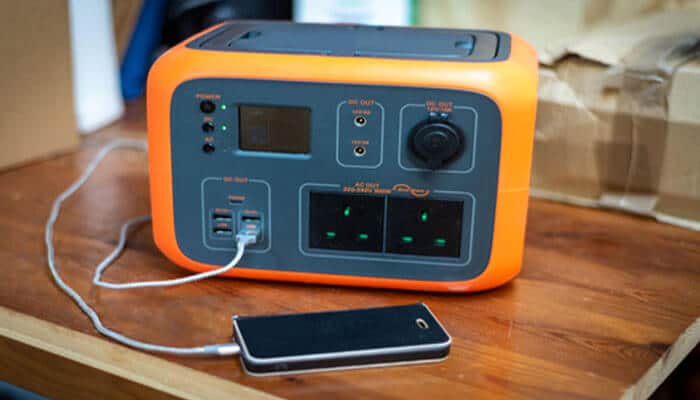
While receiving a free generator from the government may not be possible for everyone, it’s important to have an emergency preparedness plan in place. For households that cannot access a free generator or government assistance, alternative backup plans are essential. Here are a few options to consider:
- Battery-powered options: Portable power stations or smaller backup generators can power essential devices like refrigerators, medical equipment, or lights. These are often more affordable than full-home generators and are useful for short outages.
- Solar power: Solar generators or home solar power systems offer a sustainable, long-term backup solution. While the initial setup cost may be higher, solar power is eco-friendly and can reduce long-term electricity costs. It’s especially effective in areas that experience frequent power outages or live in sunny climates.
- Portable power solutions: For those who only need to power specific devices during an outage, a portable power bank or solar-powered generator can be an excellent choice. These systems are compact and can be stored easily, offering flexibility in times of emergency.
When planning your backup power solution, it’s important to weigh the pros and cons based on your location, climate, and needs. Solar generators are great for sunny areas, but they may not work as efficiently in places with frequent cloud cover. Similarly, battery-powered systems may be better suited for short outages or lower power needs.
9. State-Specific Programs
While federal programs like FEMA and LIHEAP offer assistance, many state-specific programs exist that may provide additional support for purchasing generators. Consider the following programs available in many states:
- Medical equipment subsidies: Some states offer direct subsidies for individuals who require medical equipment that needs backup power, such as oxygen machines. These programs ensure vulnerable individuals have reliable power during outages.
- Local disaster relief funds: Many states have state-managed relief programs that assist residents during natural disasters, which may include providing access to generators. This is particularly beneficial in regions prone to hurricanes, wildfires, or flooding.
- State grants or discounts: Some states offer grants or discounts on the purchase of generators for residents in need. These programs often target households in disaster-prone regions or areas with frequent power outages.
It’s crucial to check with your local government or state emergency management office to find out about available grants, discounts, or low-cost loans for purchasing a generator. Many states have dedicated websites or contact centers that can guide you through the application process. Additionally, some states may offer incentives for green energy systems, such as solar-powered generators, which can provide backup power with minimal environmental impact.
10. Types of Generators Eligible for Assistance
Government programs generally have specific guidelines on the types of generators eligible for assistance. In many cases, portable generators are covered by assistance programs, as they are easier to manage and store. These generators are typically ideal for short-term use, such as powering essential devices during power outages. However, if you’re looking for a whole-home generator, eligibility may depend on the program and its specific criteria.
- Portable generators: Most government assistance programs, such as FEMA’s disaster relief reimbursement, often cover portable generators, as they are cost-effective, easy to transport, and sufficient for essential household needs during an outage.
- Whole-home generators: Whole-home generators, which power an entire home, may not always be eligible for reimbursement or assistance. Some programs have strict size and capacity requirements, as well as restrictions based on the household’s power needs.
- Solar-powered generators: In some states, solar-powered generators are eligible for assistance, especially as part of energy efficiency or green energy initiatives. These programs may be available in areas that prioritize sustainable living and long-term energy independence.
FEMA, for example, may only cover certain generator sizes and types based on your household’s needs and the disaster situation. If you require a larger generator for medical equipment or a critical facility, check with FEMA or your state program to ensure the generator type you wish to receive is eligible for reimbursement or assistance. Be sure to provide clear documentation of your needs when applying for assistance.
11. Application Deadlines and Tips
When applying for government assistance or reimbursements for a generator, deadlines are critical. After a declared disaster, FEMA typically offers assistance within 60 to 90 days of the disaster, depending on the situation. These deadlines are non-negotiable, so it’s important to apply as soon as possible after the disaster occurs. Similarly, programs like LIHEAP have annual deadlines for applications, and missing them could mean losing out on financial help.
Here are some essential application tips to ensure a successful claim:
- Submit complete documentation: Make sure to include all required documentation, such as medical records, power outage proof, and proof of purchase for any equipment or generators. Incomplete documentation is one of the most common reasons applications are delayed or rejected.
- Follow up on your application status regularly: After submitting your application, it’s important to check in periodically. Tracking your application status ensures that there are no issues with the process and helps you stay informed about your eligibility and potential funding.
- Avoid common mistakes: Common mistakes include missing receipts, incorrect forms, and failure to meet specific program criteria. Ensure that all details are accurate and that you submit the correct documentation on time to avoid delays or denial of your claim.
Understanding the deadlines and being proactive with your application can make a significant difference in securing government assistance for a generator.
12. Maintenance and Ongoing Costs of Generators
If you qualify for a generator through a government program, be aware that maintenance costs will be part of owning the equipment. Even free generators need to be maintained for reliable use. Regular oil changes, filter replacements, and fuel storage are essential to keeping your generator running efficiently. Additionally, if your generator uses gasoline or diesel, regular fueling will add to the long-term costs. Battery-powered generators will require battery maintenance and timely charging to ensure they function properly when needed.
Here are some maintenance tips to keep in mind:
- Oil and Filter Maintenance: Just like any engine-powered machine, your generator needs regular oil changes and filter replacements to ensure it runs smoothly. This prevents buildup that could cause mechanical failure during an emergency.
- Fuel and Storage: If you’re using a gasoline or diesel generator, keep a stock of fuel for emergencies, but make sure to store fuel safely. Fuel can degrade over time, so it’s important to rotate fuel supplies regularly and store them in proper containers.
- Battery Care (if applicable): For solar or battery-powered generators, be sure to regularly charge the batteries and monitor their health. Keep the batteries clean and follow manufacturer guidelines on their lifespan and replacement cycles.
Consider setting aside a small emergency maintenance fund to ensure your generator is ready when needed. This fund will cover routine maintenance costs, as well as any unexpected repairs.
13. Alternative Financing Options for Generators
For those not eligible for a free generator, several alternative financing options are available. Many local utility companies offer low-interest loans or payment plans for purchasing a generator. This could be an ideal solution for those who cannot afford a full generator upfront but need the security of backup power. Some retailers also offer financing for larger appliances, including generators, which may allow you to spread the cost over time.
Here are a few alternative financing options to consider:
- Low-Interest Loans: Many utility companies partner with state or local governments to offer low-interest loans for energy-related purchases, such as backup generators. These loans often have favorable repayment terms that can make the upfront cost more manageable.
- Retailer Financing: Some home improvement stores or appliance retailers offer financing options for large purchases like generators. This can allow you to pay for the generator in monthly installments over time, making it more accessible to those on a budget.
- Personal Loans: If you’re not eligible for utility company financing, a personal loan from your bank or credit union could be a viable option. Compare interest rates and terms to ensure you’re getting the best deal.
These financing options provide flexibility, allowing you to invest in a generator for peace of mind during power outages without having to pay the full amount upfront.
How to Get a Free Generator From the Government FAQs
1. Can I get a free generator from the government?
Free generators are rare, but assistance may be available through FEMA or state programs for medical or low-income households in disaster situations.
2. How does FEMA provide assistance for generators during a disaster?
FEMA may reimburse the cost of a generator if your area is hit by a disaster and you meet medical or disaster-related criteria with proper documentation.
3. What other government programs offer support for generator purchases?
Programs like LIHEAP may assist low-income households with energy-related needs, sometimes including generators as part of disaster recovery assistance.
4. How can I avoid scams related to free generator offers?
Avoid suspicious ads offering “free generators” by verifying through official government sites, as most such offers are scams.
5. How do I apply for government assistance for a generator?
You can apply by registering with FEMA for disaster assistance or contacting local energy programs, ensuring you meet eligibility and submit necessary documentation.
Conclusion
While the government does not provide free generators to every household, there are legitimate ways to get generator assistance — especially after disasters or for medically necessary cases. If you’re wondering how to get a free generator from the government, it’s essential to explore federal and state programs like FEMA’s disaster assistance or medical assistance programs that can help with purchasing or reimbursing generators. These programs focus on vulnerable individuals who are most in need, such as those with medical conditions or low-income households facing disaster recovery. Always ensure you meet the eligibility criteria and provide the necessary documentation when applying.
If you believe you qualify, how to get a free generator from the government may involve registering for FEMA disaster assistance or applying for energy assistance programs like LIHEAP through your state agency. However, it’s important to keep in mind that scams are common, and some offers may sound too good to be true. Always verify any offer by visiting official government portals or contacting your state’s energy assistance office to avoid being misled. With the right approach and careful research, you can navigate the process and potentially access support for a generator when you need it most.
Disclaimer
The information in this article is for general purposes only. Availability of free generators depends on eligibility and local programs. Always verify with official government sources to avoid scams.
