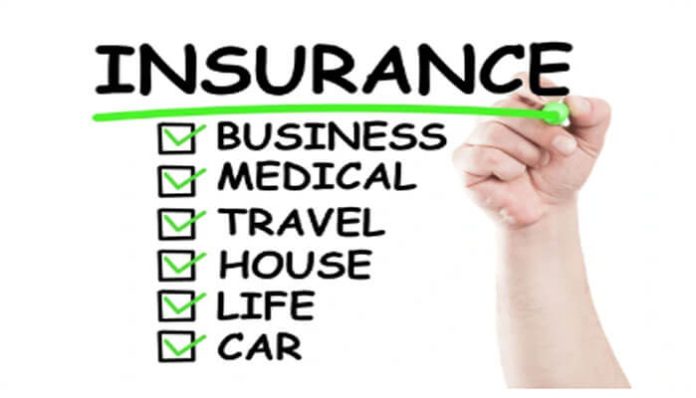

Common Insurance Types: Insurance serves as a vital element in financial planning because it provides protection against unforeseen events while enabling people and organizations to control their potential losses. Today, people can access multiple insurance options which protect different parts of their lives including health medical needs and property ownership and income protection and legal responsibility. People who understand insurance types and their protective functions can select appropriate coverage options which will protect their valuable possessions and health needs and financial security.
This article examines multiple insurance policies while explaining their advantages and the protection they offer through different types of insurance coverage available in the industry. The guide helps you discover essential home and car and future protection through identification of standard insurance policies which provide fundamental coverage.
Health Insurance: Protecting Your Well-being Common Insurance Types
Health insurance stands as the primary essential insurance coverage which people and their families need most. The plan delivers essential protection for multiple medical costs which include doctor appointments and hospital admissions and surgical procedures and prescription drugs. The policy provides essential medical services which you need to access anytime you require them without suffering from excessive financial burdens. Your health insurance plan protects your health while delivering you comfort because you know your medical expenses will be paid in case of unforeseen health problems.
What Health Insurance Protects Against
Health insurance provides extensive coverage for medical services which protects policyholders from facing high healthcare expenses. The insurance package typically covers doctor appointments and hospital admissions and surgical operations and medical examination procedures and prescription drugs. Most health insurance policies offer coverage for preventive services which include vaccinations and wellness checkups and screenings that help identify and treat health issues before they develop into serious problems. People without health insurance face financial challenges because they cannot pay for essential medical services. People who lack health insurance will experience delayed medical treatment which will worsen their health problems while forcing them to spend large amounts of money which will severely impact their financial situation. Health insurance provides financial relief by paying for most of these potential expenses.
Types of Health Insurance
- Individual Health Insurance: The Individual Health Insurance policy provides coverage exclusively to the policyholder. The insurance solution works best for self-employed individuals who lack employer-based coverage and those without family health plan access. The individual health plans enable policyholders to select their preferred coverage option which matches their individual requirements and financial capabilities.
- Family health insurance: Family health insurance provides health benefits to the policyholder and their spouse and children and other dependents. This type of coverage is particularly beneficial for families, providing the security of knowing that all family members have access to healthcare services when needed.
- Employer-Sponsored Health Insurance: Employer-Sponsored Health Insurance provides employees and their families with healthcare benefits which many companies offer as part of their benefits package. The program becomes more economical for employees because employers assume responsibility for paying part of the insurance premiums. The insurance plan provides coverage for both dental and vision services in addition to standard medical benefits.
- Government programs: Government programs like Medicaid and Medicare provide essential health coverage to eligible individuals who meet their requirements. Medicaid provides coverage to low-income people and families while Medicare serves mainly people who are 65 years old and older. The programs provide vital healthcare services to individuals who cannot afford private insurance.
Benefits of Health Insurance
Health insurance delivers multiple essential benefits to its users while most of its worth comes from its ability to provide financial security. Medical expenses can quickly spiral out of control especially in the case of an emergency or serious illness. Health insurance enables people to avoid paying high medical costs because their insurance company covers most of their treatment expenses. Health insurance enables you to access a wide range of healthcare providers which allows you to receive treatment from doctors and hospitals that meet your required standards. Health insurance enables patients to obtain timely medical treatment which helps them manage their health problems and stop their conditions from getting worse.
Health insurance provides two main benefits to its users which include financial protection and peace of mind. You can receive medical treatment without worrying about how to pay for it when you become sick or hurt. Health insurance supports preventive health services to help people achieve better health outcomes and maintain their overall well-being. Through screenings and checkups people who need to maintain their health can discover health concerns before they create major problems. Many plans offer wellness programs that support healthy living through reduced costs for gym membership and smoking cessation services.
Health insurance serves as the vital component which enables people to receive medical care and treatment. The system offers financial protection to users while they can access essential health services and preventive care. Health insurance protects your health and future financial stability through its three coverage options which include individual plans and family plans and government programs.
Auto Insurance: Protecting Against Accidents and Liability
Vehicle operators need to obtain auto insurance because it serves as their essential protection against various driving risks which most states require for legal compliance. The system provides financial assistance to drivers and passengers and all road users when they experience accident theft or vehicle destruction. The proper selection of auto insurance provides you with protection against all financial costs which result from accidents and legal obligations and vehicle destruction. The insurance coverage protects your financial assets while you meet the state requirement which mandates all drivers to maintain basic insurance protection.
What Auto Insurance Protects Against

Auto insurance offers protection for multiple events which serve to shield you from monetary damages. The system provides protection against accidents and theft and vandalism and damage which occurs during natural disaster events. Auto insurance provides coverage for all expenses which result from vehicle accidents including car repairs and medical costs for all people who suffer injuries during the incident. The system provides protection for legal obligations which arise when you accidentally create damage to other people’s property or their bodily harm. The absence of auto insurance forces you to handle all financial responsibilities which will create extreme monetary difficulties for you.
Types of Auto Insurance
Drivers must obtain liability insurance which serves as their fundamental obligation to meet minimum vehicle insurance requirements. The policy protects other people from receiving medical treatment expenses and property damage costs which you caused during an accident. Your liability insurance will pay for both vehicle damage costs and medical treatment expenses when you cause an accident. This essential coverage protects you from facing excessive expenses for legal defense and medical treatment when you cause an accident.
Collision Insurance: Collision insurance protects your vehicle from damage which occurs during any type of accident regardless of who caused the accident. The policy provides financial assistance to cover your vehicle repair expenses or car replacement costs when your vehicle sustains accident damage. The insurance coverage protects drivers who own new vehicles or expensive vehicles by covering their complete repair costs and replacement expenses.
Comprehensive Insurance: Comprehensive insurance protects against non-collision-related events, which include theft and vandalism and fire incidents and falling objects and weather-related damage from hail and floods. People who live in areas with severe weather and environmental dangers need this type of coverage because it provides essential protection. The system helps protect your vehicle from theft and vandalism while you drive because it activates your system to monitor your vehicle when you are not driving.
Benefits of Auto Insurance
Auto insurance provides multiple advantages to drivers. The primary advantage of auto insurance protects drivers from financial loss. The costs of accidents together with theft and natural disasters create significant financial burdens. Auto insurance provides you with coverage which protects you from paying all expenses associated with accident-related vehicle repairs and medical expenses and legal costs. Auto insurance protects you from financial liability when another person causes damages through their actions because it pays for damages to your vehicle.
The main advantage of auto insurance enables drivers to rest easy because they know their vehicle will stay secure during operation. The financial protection from theft and accidents together with legal liability coverage enables you to drive without worrying about the potential costs from unexpected incidents. Auto insurance typically provides drivers extra benefits which include roadside assistance and rental car coverage to help them manage the difficulties that arise from vehicle accidents and damage.
Most states mandate drivers to have basic auto insurance which provides legal protection from possible fines when drivers keep their insurance active. The appropriate insurance selection enables you to shield yourself and your passengers and other drivers while you drive on the road and it decreases your financial responsibilities that result from car ownership.
Auto insurance functions as a necessary safeguard which protects your vehicle and your personal health and your financial assets. The correct auto insurance policy enables you to handle all situations which include car accidents and vehicle theft and legal responsibilities without experiencing major financial difficulties. The advantages of auto insurance extend beyond its legal obligations because it delivers you both protection from anxiety and the ability to operate your vehicle with confidence and safety.
Homeowners Insurance: Safeguarding Your Property
Homeownership represents both an important accomplishment and a critical obligation. Homeownership brings pride but requires you to safeguard your property against multiple risks which can result in disastrous financial consequences. The purpose of homeowners insurance is to offer financial protection for various possible disasters which include fire and theft and vandalism and natural disasters, allowing you to recover from major losses while keeping your standard of living intact.
Common Insurance Types: What Homeowners Insurance Protects Against
Homeowners insurance provides coverage for damage to your home and personal belongings caused by various types of incidents. The most common perils covered include fire, storm damage, theft, vandalism, and vandalism-related incidents. The homeowners insurance policy protects you from complete financial responsibility because it pays for the costs associated with repairing or rebuilding your home after an event causes severe destruction. Most homeowners insurance policies also include personal property coverage, which ensures that your belongings, such as furniture, electronics, clothing, and valuables, are covered in the event of damage, loss, or theft. Homeowners insurance provides liability protection which pays for medical costs and legal expenses when someone gets injured on your property and you become responsible. Many policies also cover additional living expenses if your home becomes temporarily uninhabitable due to an insured event. Your home restoration process allows you to continue your normal activities through this time period.
Types of Homeowners Insurance
- HO-1 (Basic Form): Basic homeowners insurance provides protection for only specific perils which include fire and lightning and vandalism. The insurance plan provides minimal protection which makes it unsuitable for most homeowners because of its restricted coverage.
- HO-2 (Broad Form): The HO-2 policy provides more coverage than the HO-1 form. The system establishes protection against additional threats which include falling objects and snow and ice damage. The policy provides more extensive protection than the basic form, but it contains certain elements that remain unprotected.
- HO-3 (Special Form): Most homeowners in the United States use the HO-3 policy as their primary insurance option. The policy protects against various dangers except for three specific dangers which include earthquakes and floods and normal home deterioration. The form provides full protection for both residential property and home possessions which offers homeowners comprehensive security.
- HO-5 (Premium Form): The HO-5 policy provides the most comprehensive coverage which protects both residential property and home possessions. The policy protects various dangers which other insurance plans do not cover, making it the ideal choice for homeowners who seek maximum protection.
Benefits of Homeowners Insurance
The primary benefit of homeowners insurance provides property owners with protection for their assets. The insurance protects your home which is your most valuable asset against multiple potential threats that could result in substantial financial losses. Homeowners insurance protects you against expenses that would arise from fire damage and storm damage and theft and vandalism which require home and personal property restoration.
Homeowners insurance protects your home and belongings while it delivers protection against legal responsibilities. The liability coverage protects you from expenses that result from medical treatment for injuries that occurred on your property. This liability protection can help prevent financial hardship from an accident that occurs on your property through slip-and-fall incidents.
Another important advantage of homeowners insurance provides protection for costs related to temporary housing. The policy will cover your temporary housing costs which include hotel accommodations and food expenses and essential items until your home restoration is complete. This system guarantees your family can sustain their normal living conditions throughout the house restoration work.
Life Insurance: Financial Security for Loved Ones

Life insurance serves as an essential protection financial tool which secures your family’s financial needs after your death. Life insurance provides your family with essential financial support which they need to live their lives after your death because no one can predict their death date. The program provides income replacement together with funeral cost coverage and debt payment assistance while supporting your family needs to maintain their regular living standard during their emotional and financial struggles.What Life Insurance Protects Against
Life insurance provides your family with financial protection which becomes active at the moment of your passing. The insurance policy provides financial support which enables your family to maintain their current standard of living after your death because it replaces your lost salary. The death benefit serves multiple purposes because it can be used to pay for funeral expenses, to settle debts which include mortgages and car loans and credit card bills, and to cover educational fees for children. The coverage protects your family members from experiencing financial problems which occur during their mourning period. The coverage protects them from financial issues which occur when they need to plan their upcoming future and take care of their personal mental health.
People use life insurance as a financial legacy tool which enables them to donate to charities while providing their children and grandchildren with inheritances and maintaining their family business operations. The funding supports both special needs dependents and those who need long-term care to guarantee their financial security.
Types of Life Insurance
- Term Life Insurance: The term life insurance policy provides protection for a designated time period which usually lasts either 10 years or 20 years or 30 years. The policy death benefit is paid to the designated beneficiaries when the policyholder dies within the policy period. Term life insurance serves as the most economical choice because it delivers protection without requiring users to invest in additional coverage. The policy provides protection until the contract ends while users need to either renew their existing coverage or buy new policies after the protection period ends.
- Whole Life Insurance: Whole life insurance provides permanent protection which includes a savings feature that builds cash value throughout the policy’s duration. This type of policy provides a guaranteed death benefit, and the cash value grows at a fixed rate. The policyholder can borrow against the cash value or use it to pay premiums. Whole life insurance costs more than term life insurance because it contains a savings feature which enables policyholders to save money throughout their entire lifetime.
- Universal Life Insurance: The policyholder of universal life insurance can change their coverage and premium payments according to their needs. The insurance policy lets you adjust your benefits at any time because your financial situation needs changes. The policy builds cash value which grows with interest rates and market results but provides policyholders more options than whole life insurance.
- Variable Life Insurance: Variable life insurance provides permanent life insurance protection which includes an investment feature. The policyholders of this insurance policy can choose from multiple investment alternatives to deploy their policy’s cash value which includes stocks and bonds and mutual funds as their investment choices. The policy provides possibilities for better returns but it also requires additional investment risk because both cash value and death benefit depend on how selected investments perform. Variable life insurance works best for people who want to increase their policy value through investment risk.
Benefits of Life Insurance
The primary advantage of life insurance delivers financial protection to your dependents who will receive benefits after your death. Life insurance provides financial protection for your family because it replaces your lost income when you die, which enables them to pay for their essential daily needs, including their housing and food and childcare requirements. The financial protection extends to your funeral costs and your medical expenses and your outstanding debts which would otherwise create financial difficulties for your family.
Life insurance provides two main functions because it supports your family after your death by providing them income replacement and immediate financial assistance. The funds allow you to eliminate all your major debts which include your mortgage thus providing your family with complete financial relief from owning property. Your life insurance benefits will finance your children’s educational expenses which will protect their future opportunities from being impacted by your death.
The primary benefit of life insurance provides people with protection which creates a sense of security. Life insurance provides financial protection for your family which will take effect after your unexpected death. The financial security you receive from the policy enables your family to handle their emotional grief without needing to face financial difficulties. Life insurance coverage provides you with peace of mind because it protects your family and all other dependents from financial difficulties.
The permanent life insurance policies enable policyholders to build cash value which serves as both a retirement fund and an emergency savings account. The whole life and universal life policies enable you to achieve financial security through long-term growth which protects your family members and creates a financial base for yourself.
Life insurance is essential for protecting your family financial stability which will stay intact until your passing. The insurance pays for lost wages and other costs while providing peace of mind that your family will receive necessary financial assistance throughout their difficult period. Policyholders can select from multiple coverage options which include term life whole life universal life and variable life insurance to find the solution that matches their personal requirements and financial objectives. The life insurance policy establishes a financial safeguard which protects your most important relationships from economic danger.
Disability Insurance: Income Protection for Incapacity
Disability insurance works as an essential financial protection system which protects your earnings during times when you cannot work because of health problems or accidents. Life presents unpredictable circumstances which can lead to accidents and medical emergencies that result in your inability to work. Disability insurance enables you to maintain your financial responsibilities during times of temporary or permanent work disability. The system provides you with peace of mind because you will not experience financial difficulties which results from your work incapacity due to an illness or injury.
What Disability Insurance Protects Against
Disability insurance exists to provide income replacement when an individual becomes unable to work their job because of medical issues. The policy typically covers a percentage of your income, which ranges between 60 to 70 percent, so you can pay your financial commitments that include rent, mortgage payments, utilities, groceries, and other essential expenses. This coverage protects people who must maintain their job income to provide for their own needs and their family’s needs.
Disability insurance protects people from income loss which could push them into a financial emergency. A person without this protection will face financial difficulties when they experience a work-related temporary or permanent disability because most people need to save sufficient money to handle multiple months of unemployment. Disability insurance helps bridge that gap while it provides income replacement, which allows you to recover from your condition without worrying about financial problems.
Types of Disability Insurance
- Short-Term Disability Insurance: Short-term disability insurance provides coverage for a limited period, which usually lasts between three and six months. The system protects your economic loss when you cannot work because of temporary medical conditions which will not be permanent. The insurance protects workers who will experience a temporary medical condition because of an illness or surgery or injury which will need a brief time to recover. The system provides you with higher income protection than long-term disability insurance, but it limits your coverage to a specific time period.
- Long-Term Disability Insurance: Long-term disability insurance provides more extended income replacement, which continues until retirement age for people who face permanent work disabilities. People who expect their disabilities to last beyond the short-term period need this insurance because it extends their coverage beyond short-term policies. The system provides essential protection to workers who need to maintain their physical capabilities for their jobs and to workers who face financial hardship when they miss work. The benefits start after short-term disability coverage ends, while the system continues to deliver financial assistance for multiple years.
Benefits of Disability Insurance
Disability insurance provides its main advantage to people because it delivers financial security which protects them from financial difficulties that arise from sudden medical emergencies or accidents. Disability insurance provides financial support to disabled individuals which enables them to fulfill necessary expenses for their basic needs including housing and food and medical expenses.
Self-employed workers need disability insurance because their work situation does not provide them with any employer-sponsored benefits or paid leave options. Self-employed workers face severe difficulties when their business needs to operate without their active participation because they lack disability insurance. Disability insurance serves as an essential resource for these people because it helps them safeguard their income while they experience periods of work-related incapacity.
Disability insurance provides people with essential support which allows them to reach their financial objectives across extended time periods. Disability insurance provides financial protection which allows you to continue saving for retirement and repaying debts and fulfilling your other financial duties when you lose your ability to work for a long time. Your financial needs will compel you to use your savings or acquire loans which will lead to financial difficulties that undermine your ability to achieve your future financial objectives.
Disability insurance enables you to concentrate on your recovery process while you maintain your financial requirements for paying bills and supporting your daily activities. Your recovery process requires time to heal because your partial income replacement provides you with necessary mental space. The psychological advantages of disability insurance extend beyond financial security because it helps people handle the stress which comes from unexpected loss of income.
Disability insurance serves as a fundamental component which every financial plan must include. The system protects your income which you would lose because of medical conditions or accidents, and it provides you with financial security during your work-related absence. Your choice between short-term and long-term disability coverage provides you with protection which enables you to sustain your current way of life while handling financial obligations and securing your future financial security during unexpected health problems. Self-employed individuals and employees in dangerous jobs and all people who want to protect their income and health need disability insurance as their most important protective resource.
Renters Insurance: Protecting Personal Property Common Insurance Types

The renting public requires renters insurance as their primary protection against property loss. The insurance covers structural damage to the property which landlords typically provide but it also safeguards the personal belongings and liability risks of tenants inside their rented space. The policy provides financial security against property damage and theft and loss events while also offering liability protection for incidents that cause injuries on the premises. This budget-friendly insurance policy protects renters from having to pay for new personal items and legal expenses which arise from incidents that involve their rented property.
What Renters Insurance Protects Against
The policy protects personal property because it covers all situations that lead to damage theft and loss of property. The insurance policy protects all personal belongings which include furniture and electronics and clothing and valuables. Your apartment fire or burglary incident will enable your renters insurance to pay for the replacement costs of your personal property. The majority of insurance policies provide coverage for damages which result from various incidents that include vandalism and water leaks which occur when pipes burst.
The primary function of renters insurance is to protect your belongings while it also provides defense against legal claims. The liability coverage becomes crucial because it protects you when someone gets hurt on your rented premises. The liability insurance will pay for medical bills if a visitor gets injured in your apartment and decides to sue you for damages. The coverage protects you from financial losses when you unintentionally destroy someone else’s belongings. The need for renters insurance exists because your financial liability would extend to these particular expenses.
Types of Renters Insurance
- Basic Renters Insurance: Basic renters insurance typically covers personal property against common perils which include fire theft and vandalism. The option presents a less expensive choice which delivers fundamental protection to renters. The policy excludes protection for natural disasters which include floods and earthquakes. The policy protects users who want to secure their possessions through essential coverage at a budget-friendly cost.
- Comprehensive Renters Insurance: Comprehensive renters insurance provides a wider selection of protection options. The policy protects personal belongings against fire theft and vandalism while it also provides coverage for natural disasters and accidental losses. The coverage costs more than basic renters insurance but provides landlords with better security through its extensive coverage. The solution proves particularly useful for residents who stay in regions that experience regular natural disasters or uncommon dangers.
Benefits of Renters Insurance
Renters insurance provides its main advantage through financial protection which safeguards your personal belongings. The insurance for renters provides financial assistance to replace your belongings when they face damage or theft or total destruction which helps reduce your financial burden. The insurance for renters protects your personal property against loss through fire and burglary and other unexpected incidents.
The second major advantage of renters insurance provides liability protection for policyholders. The absence of this insurance protection leaves you accountable for all medical expenses and legal costs which arise from injuries sustained by visitors to your rented home. The insurance for renters covers medical expenses and legal claims which result from guest injuries that happen inside your apartment. This coverage provides peace of mind, knowing that you are financially protected in case of an accident or injury.
The insurance policy protects you during your travels. The majority of policies provide protection for personal belongings which are not located on the rental property during your travels or hotel stays. The policy ensures that your electronic devices and luggage and all other personal items receive protection throughout your travels.
People who need renters insurance typically find it affordable because they need to pay only several hundred dollars each year. The low cost of renters insurance provides extensive financial protection to all individuals who rent homes or apartments.Your personal belongings receive protection through the policy while you enjoy peace of mind which includes liability coverage protection for accidents and injuries.
The essential nature of renters insurance provides vital protection for your personal belongings while it delivers financial protection against theft damage and accidents. The basic and comprehensive coverage options of renters insurance show that you will received property replacement benefits and liability protection after losing your belongings. The solution provides renters with an affordable method to protect themselves and their belongings during their time at home or in their apartment.
Conclusion
Financial security requires people to learn about different insurance types and their protective capabilities against various risks. Insurance provides protection against unexpected risks which helps you maintain financial stability through sudden events that occur in your life. Health insurance and auto insurance and homeowners insurance each provide distinct coverage options. Health insurance covers medical costs, auto insurance shields against accidents, and homeowners insurance protects your property.
Life insurance secures your family’s financial future, renters insurance covers your belongings and liability, and umbrella insurance provides extra coverage for large claims. Your particular life situation and your financial objectives will determine which insurance policies you should select. Your asset protection needs assessment will help you choose the best coverage which will bring you both security and serenity.
People need insurance to protect their health instead of just fulfilling their legal duties. The right insurance coverage prepares you for unexpected events while providing the confidence needed to deal with uncertain situations. Your future depends on your ability to comprehend and choose proper insurance policies which will deliver financial protection and peace of mind for your family.