


Professional indemnity insurance — also known as professional liability insurance or errors and omissions (E&O) insurance — is essential for companies and individuals who provide expertise, advice, or services that clients depend on. It protects your business against costly legal claims arising from alleged mistakes, negligence, or omissions in your professional work.
Choosing the right policy requires more than buying the first quote you receive. In 2026, with increasing litigation and evolving business risks, having the right indemnity insurance can safeguard your reputation, finances, and long‑term success.
This article will help you understand what professional indemnity insurance covers, what factors to consider, and how to select the best policy for your business.
What Is Professional Indemnity Insurance?
Professional indemnity insurance protects businesses and professionals if a client claims that financial losses resulted from services you provided — even if you believe you did nothing wrong.
It covers costs such as:
- Court fees and legal defense expenses
- Settlements and judgments
- Compensation to clients if your service caused them financial loss
This type of insurance is crucial for anyone offering expertise, advice, or services — from consultants, accountants, and architects, to IT firms and healthcare professionals.
Why Professional Indemnity Insurance Matters
Professional indemnity insurance serves as a risk‑management tool, helping you:
- Avoid financial strain from legal defense and settlements
- Protect your reputation and client trust
- Fulfill contractual or regulatory client requirements
Lawsuits over alleged negligence can be extremely expensive, especially without the right insurance coverage in place. Even minor errors or misunderstandings from clients can turn into major legal claims.
How to Choose the Right Professional Indemnity Insurance
To choose the right professional indemnity insurance policy, consider the following key factors:
1. Assess Your Business Risk Profile
Different professions face different types of risks. For instance:
- Healthcare professionals may face medical malpractice claims
- IT consultants might encounter software failures or data loss allegations
- Financial and legal advisors face high client expectations
Understanding the specific risks your business faces is the first step in selecting the right coverage.
2. Determine Appropriate Coverage Limits
Insurance isn’t one‑size‑fits‑all. Coverage limits should reflect:
- The size of your contracts
- The financial impact of a worst‑case lawsuit
- Industry expectations or legal requirements
Always choose coverage limits that align with your business exposure and potential liabilities.
3. Review Policy Inclusions and Exclusions
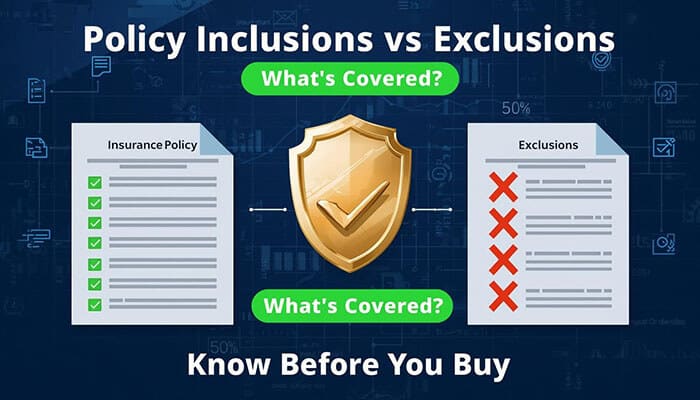
Professional indemnity policies vary in what they cover. Important considerations include:
- Whether defense costs are included within the policy limit or outside it
- Whether the policy covers past work (retroactive cover)
- Business activities or services specifically excluded
A policy that seems cheaper upfront may lack critical protections, so review terms closely.
4. Check Retroactive Coverage and Claims‑Made Basis
Most professional indemnity policies are written on a claims‑made basis, meaning:
- You must have active coverage when the alleged error occurred
- And when the lawsuit is filed
Ensuring continuous coverage and understanding retroactive dates can protect you from gaps in protection.
5. Compare Quotes from Multiple Providers
Don’t settle for the first quote you get. Compare at least three policies based on:
- Cost of premiums
- Coverage limits
- Policy features and add‑ons
- Provider reputation
Different insurers price risk differently — comparing options helps you find the best balance of price and protection.
6. Read Reviews and Check Provider Experience
An insurer’s experience in handling professional indemnity claims matters. Look for:
- Customer reviews and satisfaction ratings
- Industry experience and expertise
- Efficient claims processing
An insurer that understands your business sector will likely provide better support when you really need it.
7. Understand Legal and Regulatory Requirements
In some cases, professional indemnity insurance is mandatory:
- Consultants or contractors may be required by client contracts
- Certain industries or licensing bodies may require specific minimum coverage
Knowing whether your business must carry this insurance helps you choose a compliant policy.
Common Mistakes to Avoid When Choosing a Policy
Even experienced businesses make mistakes when selecting indemnity insurance. Avoid these pitfalls:
Choosing the cheapest policy without checking coverage details
- Ignoring policy exclusions or retroactive cover terms
- Failing to review your coverage regularly as your business grows
- Not understanding whether defense costs are inside or outside your limit
Professional Indemnity Insurance vs. General Liability Insurance
These two types of insurance serve different purposes:
| Insurance Type | Purpose | Coverage |
|---|---|---|
| Professional Indemnity Insurance | Protects against claims related to mistakes in service, advice, or professional duties. | Covers errors, omissions, or negligence in the services you provide. |
| General Liability Insurance | Protects against third-party claims for bodily injury or property damage. | Covers accidents, injuries, or damage caused to third parties or their property. |
Both can be essential depending on your business — but indemnity insurance is specifically designed to cover professional errors and omissions.
Professional Indemnity Insurance in Different Industries
Different sectors may need tailored indemnity coverage:
- IT & Technology – protect against software failures or cybersecurity risk claims.
- Healthcare – malpractice and medical errors require specialized coverage.
- Consultants & Advisors – guard against claims over advice or missed deliverables.
- Legal & Financial Services – high expectations and complex contracts increase liability risk.
Steps to Buying the Right Policy
Here’s a practical process to help you choose:
- Map Your Risks: Identify potential sources of client claims.
- List Required Coverages: Decide on limits and extensions you need.
- Compare Multiple Quotes: Evaluate price, coverage, and exclusions.
- Check Provider Reputation: Ensure strong claims support and financial backing.
- Review Policy Wording: Read terms carefully and ask questions before committing.
Professional indemnity insurance FAQs
1. Can indemnity insurance cover claims made by employees?
Typically covers third-party claims, but some policies may include employment practices liability for employee claims. Check your policy.
2. How can I cover intellectual property disputes?
Ensure your policy includes IP coverage for claims like patent infringement or copyright issues. Ask for an IP clause if needed.
3. Can freelancers get business indemnity insurance?
Yes, freelancers can get coverage tailored to their services, especially for professional advice or contract work.
4. Does indemnity insurance cover past work?
Many policies offer retroactive coverage for claims related to past work if the policy is active at the time of the claim.
5. How to tailor indemnity insurance to my industry?
Consult an advisor to customize coverage for industry-specific risks, like malpractice for lawyers or data breaches for tech companies.
Conclusion
Choosing the right professional indemnity insurance for your business in 2026 requires a clear understanding of your risk exposure, thoughtful comparison of policies, and careful evaluation of coverage limits and terms. The right policy protects your business from costly legal battles, strengthens client confidence, and safeguards your professional reputation.
By following the steps above — from assessing your risks to comparing multiple providers and understanding policy details — you’ll be prepared to select indemnity insurance that truly fits your business needs.
