
Tool Insurance Coverage: In 2026, professionals and businesses rely heavily on tools and equipment to complete their daily operations. These assets are often essential to productivity, but they are also vulnerable to risks such as theft, damage, or liability issues. Tool insurance provides crucial protection for tools and equipment, ensuring that your business or personal operations continue without financial disruptions caused by unforeseen events.
As tool ownership becomes more valuable and vital in various industries, having comprehensive tool insurance coverage is essential for safeguarding your investments. Tool insurance covers everything from accidents to theft, and it offers peace of mind knowing that your tools and equipment are protected. In this article, we’ll explore the importance of tool insurance, different coverage options, and how to choose the right plan for your needs.
Understanding Tool Insurance Coverage
Tool insurance is a vital type of coverage designed to protect your tools and equipment from various risks, including theft, accidental damage, and liability concerns. For anyone in the trades, such as contractors, mechanics, electricians, or small business owners, tools are often one of the most valuable assets. Without the proper insurance, a theft or damage to tools could cause significant financial disruption and even halt your o
perations temporarily. Tool insurance offers a safety net, enabling you to quickly replace or repair your tools and get back to work with minimal delay.
What Does Tool Insurance Cover?
1. Theft of Tools:
One of the most common risks that tool owners face is theft, particularly when tools are left unattended at a worksite, in transit, or in a storage facility. For professionals who work on different job sites, tools are often left in vehicles or temporarily unattended, making them easy targets for thieves. Tool insurance covers the replacement cost of stolen tools, ensuring you don’t suffer significant financial losses.
2. Accidental Damage or Wear and Tear:
Tools, especially those used frequently, are vulnerable to accidental damage. Whether it’s a dropped hammer, a power tool that malfunctions, or a damaged piece of equipment, tool insurance helps cover the cost of repairs or replacements. Accidental damage coverage ensures that you don’t bear the full financial burden of repairing broken tools that are essential to your work.
3. Liability Risks:
Liability is another important aspect of tool insurance. If your tools cause harm to others, whether it’s property damage or personal injury, liability coverage protects you from the financial consequences. For example, if a tool causes an injury to a client or damages their property during the course of your work, tool liability insurance would cover legal fees, medical bills, and repair costs, potentially saving you from expensive lawsuits.
4. Loss of Income:
In some cases, tools are critical to your daily operations, and if they’re unavailable due to theft or damage, it can lead to a loss of income. Tool insurance provides compensation for lost income while you wait for your tools to be repaired or replaced. This feature is especially beneficial for self-employed individuals or small business owners who depend on their tools to generate revenue. Without tool insurance, you may find yourself facing not just the cost of repairs or replacement but also the inability to continue working and earning.
Tool Theft Insurance: Protecting Against the Unexpected
Tool theft insurance is a vital form of coverage specifically tailored for those who rely on tools for their business operations. For tradespeople like contractors, electricians, plumbers, and mechanics, tools are essential assets, and their loss can disrupt daily activities and affect overall productivity. Unfortunately, tools are often left unattended at job sites, in vehicles, or at storage areas, which makes them prime targets for thieves. The financial consequences of having your tools stolen can be significant, as you may face high replacement costs, repairs, and even income loss due to downtime. Tool theft insurance is designed to mitigate these risks by providing financial protection and quick recovery in case of theft.
How Does Tool Theft Insurance Work?
Tool theft insurance works by reimbursing the policyholder for the loss of tools due to theft. In the event of a theft, the policyholder can file a claim with the insurance company, and depending on the terms of the policy, the insurer will provide compensation. Here’s a breakdown of what tool theft insurance typically covers:
1. Full Replacement Cost of Stolen Tools:
One of the primary benefits of tool theft insurance is that it covers the full replacement cost of stolen tools. Whether you’re working with high-end power tools, specialized equipment, or everyday tools, having insurance ensures you can replace them quickly without incurring a significant financial burden. This means that even if your tools are stolen during transit or left unattended on a job site, the insurance can cover the cost to buy new ones.
2. Repair Costs for Damaged Tools Caused by Theft-Related Incidents:
In some cases, tools may not be stolen outright, but they could be damaged during a theft attempt. Tool theft insurance also covers repair costs for tools that are damaged as a result of the theft. For example, if a thief damages the lock or casing of a tool while trying to steal it, your insurance could cover the cost to repair it, preventing further losses and extending the life of your equipment.
3. Potential Income Loss Due to Inability to Work Without Your Tools:
For self-employed individuals or small business owners, having tools unavailable can directly result in lost income. Tool theft insurance often includes coverage for the income you lose while waiting for your tools to be replaced or repaired. This is particularly beneficial for those who rely on their equipment daily to generate revenue. By compensating for lost income during the downtime, the insurance ensures that you can recover financially and resume business operations quickly.
Equipment Protection Insurance: A Must-Have for Contractors and Small Businesses
Equipment protection insurance is a specialized form of coverage that plays a crucial role in safeguarding the tools, machinery, and other business assets essential for day-to-day operations. Unlike traditional property insurance, which focuses on buildings and land, equipment protection insurance is designed to protect the equipment used by contractors, small businesses, and tradespeople. Whether it’s power tools, heavy machinery, or specialized equipment, this insurance ensures that businesses can continue operating without facing significant financial setbacks when equipment malfunctions or gets damaged.
Why Choose Equipment Protection Insurance?
For small businesses and contractors who rely heavily on their tools and machinery, equipment protection insurance offers several key benefits that help protect their financial interests and reduce the risks of unexpected repair or replacement costs. Here’s why this coverage is essential:
1. Coverage for Accidental Damage to Machinery and Tools During Regular Use:
Accidents are inevitable, especially when equipment is used frequently on worksites. Whether it’s a drill that gets dropped, a saw that malfunctions, or a forklift that accidentally hits a wall, accidental damage can occur during normal operations. Equipment protection insurance provides coverage for these types of mishaps, ensuring that your tools and machinery are repaired or replaced without disrupting your business operations. Without this insurance, businesses would have to bear the high costs of repair or replacement themselves, which could lead to major financial strain.
2. Protection from Mechanical Breakdowns That May Occur Over Time:
All machinery and equipment undergo wear and tear over time, leading to potential mechanical failures. Whether it’s the engine of a truck or the motor of a power tool, mechanical breakdowns are common as equipment ages. Equipment protection insurance covers these issues, ensuring that your business won’t be left stranded due to equipment failure. This coverage allows for repairs or even replacements, so your business can continue without interruption, even if something breaks down unexpectedly.
3. Coverage for Equipment During Transport Between Job Sites:
For many small businesses, especially contractors, equipment is frequently transported between different job sites. During transport, tools and machinery are at risk of being damaged due to accidents or rough handling. Equipment protection insurance covers your assets during these transit periods, ensuring that your tools and machinery remain protected no matter where they are. This coverage is particularly important for businesses that rely on moving expensive or large equipment from one location to another.
Insurance for Tools and Equipment: Ensuring Comprehensive Protection
Insurance for tools and equipment is an essential safeguard for businesses that rely on specialized machinery and tools for their daily operations. Unlike standard business insurance policies, which typically focus on covering property or office spaces, insurance for tools and equipment specifically protects the equipment you depend on to get the job done. Whether you’re a contractor, mechanic, or any professional who works with valuable tools, having the right coverage can make a significant difference in minimizing financial losses and reducing downtime after an incident. This insurance provides a comprehensive solution that addresses the various risks that tools and equipment face, from theft to accidental damage.
What’s Included in Insurance for Tools and Equipment?
Insurance for tools and equipment covers a wide range of risks that could otherwise result in high out-of-pocket costs. Here are the key elements typically included in this insurance:
1. Loss or Theft of Portable Tools and Machinery:
Tools and machinery are often transported between job sites, which makes them vulnerable to theft. If your equipment is stolen, the policy will cover the replacement cost, ensuring that your business can quickly get back on track. This is particularly important for small businesses or contractors who may rely on high-value equipment for their daily operations.
2. Damage During Transport to and From Job Sites:
When transporting tools and equipment to different job locations, the risk of accidental damage is high, whether due to road accidents, improper handling, or harsh weather conditions. Insurance for tools and equipment covers these damages, protecting you from financial loss during transit. Without this coverage, the cost of repairing or replacing damaged tools can quickly escalate, causing a delay in work and revenue loss.
3. Accidental Damage Caused by User Error or Environmental Factors:
No matter how careful you are, accidents do happen. Tools may get dropped, machinery may malfunction, or equipment could get damaged by unforeseen environmental factors, such as weather or electrical surges. This type of insurance protects you from the costs of these unexpected incidents, providing financial support for repairs or replacements.
4. Liability Coverage for Injuries or Property Damage Caused by Your Tools:
If your tools or equipment cause harm to others or damage their property, liability coverage steps in. This protection ensures that your business is not held financially responsible for accidents, injuries, or property damage resulting from your tools’ usage. For example, if a piece of equipment breaks and injures someone or damages a neighboring property, this coverage will take care of the financial burden, saving you from costly legal claims.
Minimizing Risks and Getting Back to Work
By investing in insurance for tools and equipment, businesses can significantly minimize the risks associated with unexpected events. This type of coverage ensures that, should something go wrong, you’re able to recover quickly and continue working without a major financial setback. Whether you’re dealing with a stolen tool, a broken machine, or damage caused during transport, having comprehensive insurance in place ensures that your tools are protected and your business can continue to thrive. In the event of an accident, having the right coverage also allows businesses to quickly replace or repair their equipment, reducing downtime and avoiding disruptions in service delivery.
In summary, insurance for tools and equipment provides a safety net for professionals who depend on their tools to generate income. By covering loss, theft, damage, and liability, this insurance gives you peace of mind and financial protection, ensuring that your business can continue functioning smoothly, even after an unfortunate event.
Tool Liability Insurance: Protecting Your Business from Legal Risks
Tool liability insurance is a critical form of protection for businesses and professionals who rely on tools and equipment in their daily operations. While tools are essential for getting the job done, they also pose risks. If one of your tools causes harm to someone, damages property, or results in an accident, tool liability insurance steps in to cover the legal and financial consequences. This type of insurance provides a safety net for businesses, ensuring that they are financially protected from the potential costs of legal actions that could otherwise have devastating effects.
Why Is Tool Liability Insurance Important?
If your tools cause harm or damage, tool liability insurance ensures that your business is not left to bear the entire financial burden. Here’s why it’s so essential:
1. Legal Costs Incurred During a Lawsuit:
Legal fees can quickly escalate when a lawsuit is filed against your business. Whether the case is minor or serious, tool liability insurance helps cover the cost of hiring legal professionals to defend your business. Without this coverage, you would need to pay for legal expenses out of pocket, which can put a significant strain on your financial resources.
2. Compensation or Settlement Fees:
If the tools used in your business cause bodily harm or damage property, you may be required to pay compensation or settle with the affected party. Tool liability insurance ensures that these costs are covered, protecting your business from financial loss. Without this coverage, paying these fees could jeopardize your ability to continue operations.
3. Protection Against Third-Party Claims:
Accidents happen, and tool liability insurance protects against third-party claims involving tool-related injuries or accidents. If a customer, client, or other third party is injured or their property is damaged because of your tools, you would be legally liable for the damage. Tool liability insurance covers these claims, ensuring that your business can continue running smoothly without the fear of legal consequences.
Key Industries That Benefit from Tool Liability Insurance
In high-risk industries such as construction, manufacturing, plumbing, and other trades, tool liability insurance is essential. These industries involve the use of heavy tools, machinery, and equipment that can pose significant safety risks. Having this insurance ensures that your business is protected in case something goes wrong.
For example, in construction, if a tool causes an accident that injures a worker or damages a client’s property, tool liability insurance helps cover the costs associated with legal defense, settlements, and compensation. In industries where tools are central to operations, this insurance is a vital safeguard against the potentially catastrophic financial impact of legal claims.
Mobile Tool Insurance: Protecting Tools On-the-Go
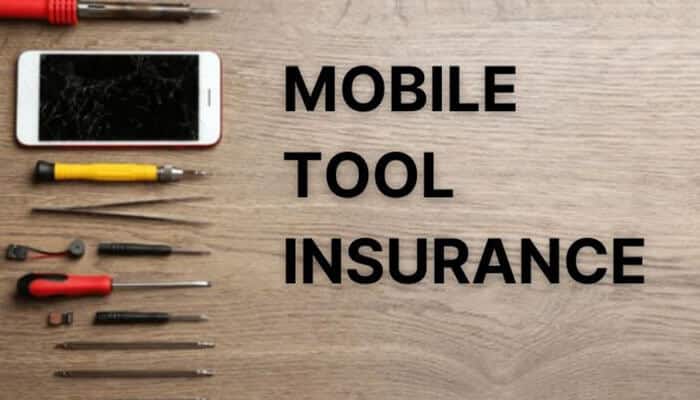
For professionals who frequently transport tools to and from various job sites, mobile tool insurance is an essential coverage. Whether you’re a contractor, mechanic, plumber, or tradesperson, your tools are crucial to your work. Unfortunately, transporting them can expose you to certain risks, such as theft, damage, or loss. This is where mobile tool insurance comes in, providing specialized coverage designed to protect your tools while on the move.
Why Do You Need Mobile Tool Insurance?
Mobile tool insurance covers a variety of risks associated with transporting your tools, ensuring that your equipment remains protected no matter where your work takes you. Some of the key protections include:
1. Theft of Tools from Your Vehicle:
Tools are often left in vehicles overnight or while traveling to a job site, making them easy targets for thieves. Mobile tool insurance provides financial reimbursement if your tools are stolen while they’re in your vehicle, ensuring that you’re not left financially strained.
2. Accidental Damage During Transport or in Transit:
Tools can easily get damaged during transit, whether it’s from rough handling, sudden stops, or environmental factors. With mobile tool insurance, you’ll be covered for accidental damage to your tools, so you can replace or repair them without additional costs.
3. Loss of Tools When They Are Temporarily Misplaced:
Sometimes, tools are misplaced or left behind at job sites or during transport. Mobile tool insurance can help cover the cost of replacing tools that are temporarily lost, allowing you to get back to work quickly without the worry of being out of pocket.
Peace of Mind for Mobile Workers
For those who rely on their tools to make a living, mobile tool insurance provides peace of mind. You no longer have to worry about the financial consequences of losing or damaging your tools during transportation. With this coverage, you can focus on your work, knowing that your tools are protected wherever you go.
Tool Insurance Cost: How Much Will It Cost You?
Understanding the cost of tool insurance is crucial for business owners and professionals who rely on their tools for day-to-day operations. Whether you’re a contractor, mechanic, or small business owner, having adequate insurance for your tools protects you from financial loss in case of theft, damage, or liability. However, the cost of tool insurance can vary significantly based on multiple factors.
On average, tool insurance costs range between $100 to $500 per year, but this price can fluctuate depending on the type of coverage, the value of your tools, and the level of risk associated with your industry. Specialized policies, such as tool theft insurance, may incur higher premiums due to the added risks they cover. Understanding the factors that influence the cost of tool insurance will help you make informed decisions about the coverage that best suits your needs.
Factors That Affect Tool Insurance Cost:
Several key factors determine the overall cost of tool insurance. These include:
1. Value of the Tools Being Insured:
The more expensive your tools, the higher your premium will likely be. High-value equipment, such as power tools, machinery, and specialized tools, will increase the cost of insurance due to their replacement value.
2. Coverage Limits and Deductibles:
The type of coverage you choose and the limits of your policy will also impact the cost. Higher coverage limits or lower deductibles often result in higher premiums, as they offer more comprehensive protection for your tools.
3. Type of Business (Contractors, Tradespeople, Etc.):
The nature of your work plays a significant role in the pricing of your tool insurance. For example, contractors and tradespeople who use tools frequently on various job sites may face higher premiums due to the increased risk of theft, damage, or liability claims.
4. Industry Risks:
Different industries have varying levels of risk, and insurance providers often adjust premiums based on industry-specific factors. High-risk industries, such as construction, may face higher premiums because of the increased likelihood of accidents, theft, or damage. On the other hand, businesses with lower risk profiles might enjoy lower premiums.
Getting the Best Rates for Tool Insurance
To ensure you’re paying the right price for your tool insurance, it’s essential to shop around and compare different providers. Insurance providers offer a range of options, and getting quotes from multiple companies allows you to evaluate the coverage, limits, and premiums that best suit your needs. Additionally, ask about discounts or bundling opportunities with other business insurance policies, as some insurers may offer lower rates for combined coverage.
Conclusion: Why Comprehensive Tool Insurance Is Essential for 2026
As businesses in 2026 continue to rely on tools and equipment for their day-to-day operations, tool insurance has become an essential part of financial planning. Whether you’re a contractor, small business owner, or freelancer, ensuring that your tools are covered from theft, damage, and liability risks will provide peace of mind and financial security.
By understanding the different types of tool insurance coverage, such as tool theft insurance, equipment protection insurance, and tool liability insurance, you can choose the right plan for your needs. Remember to assess the tool insurance cost and select the best options for your business or personal situation. Comprehensive coverage ensures that you stay protected and can continue working without disruptions, even when unforeseen incidents occur.