
When it comes to securing your agricultural investments, choosing the right top farm insurance companies is crucial for your peace of mind. The United States boasts a wide array of providers, each offering distinct coverage options tailored for farmers. Whether you’re looking to protect your crops, livestock, or farming equipment, the best farm insurance providers in the USA offer customized solutions to meet your needs. In this article, we will explore the leading farm insurance providers in 2026 and how you can make informed decisions for your agricultural business.
The Importance of Liability Coverage for Farmers
Best Farm Insurance Providers in the USA
Farm insurance is an essential tool that provides farmers with protection for both their assets and livelihoods. The best farm insurance providers in the USA understand the diverse needs of farming operations and offer tailored solutions to ensure comprehensive protection. Here’s why selecting the right farm insurance provider is crucial and what you should consider:
- Diverse Coverage Options: Leading farm insurance providers offer a wide range of coverage options, including crop insurance, livestock insurance, farm property protection, and liability coverage. Each of these policies can be customized to meet the specific needs of different types of farms, from small family-owned operations to large industrial farms.
- Protection Against Natural Disasters: Unpredictable weather events like hurricanes, droughts, floods, and hailstorms can devastate crops and livestock. The best farm insurance providers offer protection plans that safeguard against these risks, ensuring that farmers are not financially crippled by such disasters.
- Liability Coverage: Liability insurance is crucial for protecting farmers from potential lawsuits. It covers accidents involving visitors, employees, or customers on the farm, including damage to property or injury claims.
- Affordable Premiums and Flexible Payment Options: It’s important for farmers to find affordable coverage without compromising on quality. Top providers offer flexible payment options, allowing farmers to select the best plan within their budget while still receiving the necessary protection.
- Reliable Customer Service and Claims Process: Excellent customer service is a key consideration when selecting an insurance provider. The best companies ensure that their clients can easily navigate the claims process and receive timely assistance when needed.
- Reputation and Trust: When choosing an insurance provider, it’s vital to consider their reputation within the farming community. Trusted providers often have a long-standing track record of handling claims fairly and efficiently, offering peace of mind for farmers.
By carefully considering these factors, farmers can find the best farm insurance provider that offers comprehensive coverage, reliable service, and competitive pricing, ensuring that their operations remain secure regardless of the challenges they face.
Agricultural Insurance Companies That Offer Comprehensive Coverage
Agricultural insurance companies are essential for farmers seeking robust protection against the unique risks of farming. Unlike basic policies, these companies design comprehensive farm insurance coverage that addresses every aspect of farming operations. With coverage extending beyond the typical property and liability protection, farmers can safeguard their investments from a wide range of unforeseen events. Here are some key features and benefits of working with agricultural insurance companies offering comprehensive coverage:
- Crop Insurance: Crop insurance is one of the most crucial forms of protection for farmers. Agricultural insurance companies offer tailored crop insurance policies that cover a variety of crops, protecting against losses caused by natural disasters such as hail, floods, droughts, and pests. This ensures that farmers’ hard work doesn’t go to waste in the event of crop failure.
- Livestock Protection: Livestock insurance is designed to safeguard the health and value of animals such as cattle, pigs, poultry, and sheep. Comprehensive livestock insurance covers risks like disease outbreaks, accidents, theft, or natural disasters, helping farmers recover financial losses.
- Farm Machinery and Equipment Coverage: Agricultural insurance providers offer machinery breakdown insurance to cover costly repairs or replacements for essential farming equipment. This coverage ensures that farming operations can continue smoothly even after an unexpected equipment failure.
- Liability Coverage: Liability insurance is crucial in farming operations to protect against lawsuits or claims for accidents involving third parties, such as visitors, workers, or customers on the farm. Comprehensive liability coverage includes bodily injury, property damage, and product liability, ensuring that farmers are protected from legal and financial consequences.
- Protection Against Natural Disasters: Natural disasters like wildfires, floods, hurricanes, and tornadoes can cause significant damage to farmland. Agricultural insurance companies offer comprehensive disaster coverage that helps farmers mitigate the financial impact of such events and recover more quickly.
- Business Interruption Insurance: In the event of a disaster or unforeseen event, farmers may experience business interruptions. Agricultural insurance companies often include business interruption coverage, which helps farmers maintain operations and recover lost income during downtime.
By choosing agricultural insurance companies that offer comprehensive coverage, farmers can ensure that all aspects of their farming operations—whether crops, livestock, equipment, or liabilities—are thoroughly protected. This peace of mind allows farmers to focus on the growth and success of their businesses without the constant worry of potential risks.
Farm Insurance Policies for Farmers: Tailored Solutions for Every Need
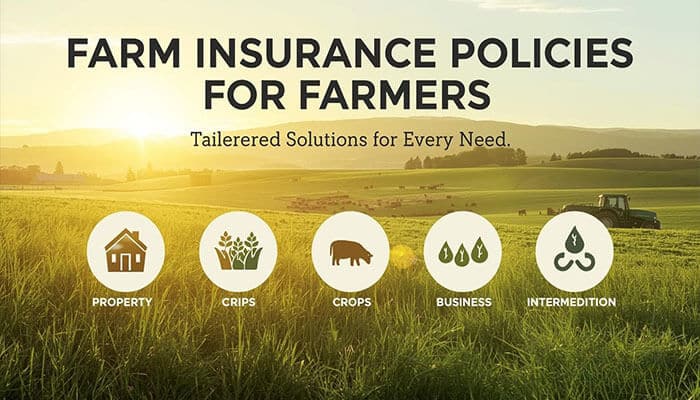
Farm insurance policies are specifically designed to meet the diverse and unique needs of agricultural businesses. Whether you’re running a small family farm or managing a large-scale commercial farming operation, the right insurance policy can provide essential protection for your assets, ensuring the sustainability of your business. Here’s how farm insurance policies are tailored to meet the specific needs of farmers:
- Property Insurance: Property insurance covers the physical assets on a farm, including buildings, equipment, and machinery. For both small and large farms, this coverage ensures that you’re financially protected against damage or loss caused by events such as fire, theft, vandalism, or natural disasters like storms or hail.
- Liability Coverage: Liability insurance is crucial for protecting farmers from legal and financial consequences arising from accidents or injuries on the farm. This includes coverage for third-party injuries, property damage, or any lawsuits resulting from the farm’s operations, ensuring farmers are not financially burdened by unexpected legal costs.
- Crop Protection Insurance: Farmers can choose crop protection insurance, which provides coverage against losses due to natural disasters, pests, or disease outbreaks. This insurance allows farmers to recover financially if crops are destroyed, ensuring that the farm’s income isn’t severely impacted by unforeseen events.
- Livestock Coverage: Farmers who raise animals can select livestock coverage to protect their investment in livestock. Whether it’s cattle, poultry, or other animals, this coverage helps cover the costs of replacing or treating animals that may be affected by accidents, illness, or theft.
- Business Interruption Insurance: For larger farming operations, business interruption insurance can be vital. This coverage helps compensate for lost income due to farm disruptions caused by natural disasters or equipment failures, allowing the farm to stay afloat during recovery periods.
- Flexible and Affordable Options: In 2026, insurance companies are increasingly offering more flexible and affordable farm insurance options. These plans allow farmers to customize their coverage based on the size of their operation, specific risks, and budget. This flexibility ensures that all farmers, regardless of their operation size, can access the protection they need without overspending.
Farm insurance policies are more than just a safety net—they’re a strategic tool for mitigating risks and ensuring the long-term success of agricultural businesses. By selecting the right coverage for their specific needs, farmers can secure their investments and maintain financial stability even in the face of unexpected challenges.
Affordable Farm Insurance USA: Ensuring Coverage Without Breaking the Bank
Finding affordable farm insurance in the USA is not only possible, but it is also essential for farmers who want to secure their operations without overextending their budgets. With the rising demand for accessible and sustainable agricultural insurance, many companies are responding by offering affordable policies tailored to meet the needs of farmers at various price points. Here’s how you can ensure you’re getting the right coverage without breaking the bank:
- Shop Around for the Best Rates: The key to finding affordable farm insurance is shopping around and comparing multiple providers. Insurance rates can vary significantly between companies, and by getting quotes from several providers, you can ensure that you are getting the best value for your premium.
- Tailor Your Policy: Many insurance companies offer flexible policies that allow farmers to customize their coverage based on their needs. Instead of opting for an all-inclusive policy, you can choose specific types of coverage, such as crop or liability insurance, and avoid paying for unnecessary extras.
- Consider Policy Bundles: Bundling multiple types of insurance under one provider, such as property, liability, and equipment coverage, can often result in discounts. Many farm insurance providers offer package deals that make it easier and more affordable to cover all aspects of your operation.
- Review Coverage Limits and Exclusions: When comparing policies, it’s essential to evaluate the coverage limits, exclusions, and deductibles. Sometimes, a cheaper policy might have lower coverage limits or higher deductibles, which could lead to higher out-of-pocket expenses in the event of a claim. Be sure to choose a policy that balances affordability with adequate coverage.
- Assess the Financial Stability of the Provider: While finding an affordable policy is important, you also need to ensure that the insurance provider is financially stable. A provider that can’t pay claims when needed can leave you vulnerable. Always check the financial ratings of an insurance company before committing to a policy.
- Government-Backed Insurance Programs: For farmers who may have difficulty affording private insurance, government-backed insurance programs can be an affordable option. The USDA offers crop insurance programs and other subsidies designed to help farmers protect their businesses at lower rates.
Quick Tips for Finding Affordable Farm Insurance:
| Tip | Details |
|---|---|
| Get Multiple Quotes | Compare prices from various providers to find the best deal. |
| Customize Your Coverage | Tailor your policy to only cover what’s necessary for your farm. |
| Look for Bundle Discounts | Combine policies like liability and property for lower rates. |
| Check Coverage Limits | Ensure the policy limits are adequate for your needs. |
| Research Financial Stability | Choose a provider with a strong financial track record. |
| Consider Government Programs | Look into USDA-backed insurance options for cost savings. |
By carefully considering these points and doing thorough research, farmers can find affordable farm insurance in the USA that ensures their operations are adequately protected without straining their finances. Affordable doesn’t mean compromising on protection; with the right strategy, farmers can achieve both security and cost-efficiency.
Crop Insurance Companies: Protecting Your Harvest
Crop insurance companies play a vital role in safeguarding a farmer’s investment in crops. Farming is inherently risky, as crops are highly susceptible to unpredictable weather patterns, pests, and disease outbreaks. Crop insurance offers farmers the protection they need to mitigate financial losses caused by such unforeseen events. Whether you’re cultivating corn, wheat, vegetables, or other crops, having the right insurance policy in place is essential for ensuring your farm’s financial stability. Here are key points to consider when looking into crop insurance:
- Protection Against Natural Disasters: Crop insurance covers damage caused by natural disasters such as hailstorms, droughts, floods, or hurricanes. These events can destroy entire harvests, but with insurance, farmers can receive compensation to help recover losses and replant for the next season.
- Pest and Disease Coverage: Pests and diseases can devastate crops, leading to significant loss of yield. Crop insurance policies often include coverage for these threats, ensuring that farmers are protected from the financial strain caused by infestations or outbreaks of plant diseases.
- Revenue Protection: Some crop insurance policies offer revenue protection, which covers the difference between the projected revenue (based on historical data) and actual revenue if the crop yield is impacted by disasters or market fluctuations. This helps protect against both production and price risks.
- Market Volatility Protection: Farmers face the added challenge of fluctuating market prices for their crops. Crop insurance can help offset the impact of price drops by providing coverage for lost income due to low market prices, allowing farmers to stabilize their cash flow during tough seasons.
- Flexible and Customized Plans: Crop insurance companies offer flexible plans that can be tailored to suit the specific needs of different crops, regions, and farming operations. Farmers can select policies based on the size of their operation, the types of crops grown, and the specific risks they face.
- Government-Backed Insurance Programs: In addition to private crop insurance companies, the USDA offers government-subsidized crop insurance programs that help farmers afford coverage at reduced rates. These programs are especially beneficial for small-scale farmers or those with limited financial resources.
By working with crop insurance companies, farmers can mitigate the financial risks associated with growing crops. With the right policy in place, they can ensure that their farm remains financially viable, even in the face of natural disasters, pest invasions, or market challenges. This protection is an investment in the long-term success of the farm and its future harvests.
Livestock Insurance Coverage in the USA: Protecting Your Animals
Livestock insurance coverage in the USA is a critical consideration for any farmer who raises animals. Livestock are not only valuable assets but also integral to the success of a farm’s operations. Whether you’re managing cattle, poultry, pigs, or other animals, having the right insurance coverage helps mitigate the risks associated with animal illness, accidents, or theft. Here’s why livestock insurance is essential and how it can protect farmers:
- Protection Against Animal Illness and Disease: Livestock are susceptible to a range of diseases and illnesses that can result in significant financial loss. Whether it’s a contagious disease that spreads quickly among the herd or a chronic condition that affects individual animals, livestock insurance provides the financial protection needed to treat or replace animals affected by illness.
- Accident and Injury Coverage: Accidents can happen unexpectedly, whether due to environmental hazards, handling issues, or transportation accidents. Livestock insurance provides coverage for injuries or accidents that lead to the death or injury of the animals, ensuring that farmers are not financially burdened by medical bills or the need to replace valuable animals.
- Theft and Predation Coverage: Theft and predation are real threats, especially for high-value livestock like cattle and horses. Insurance for livestock often includes coverage for theft, ensuring that farmers can be compensated for lost animals. It may also include protection against wildlife or predators, which can attack vulnerable animals, particularly in more rural areas.
- Breeding and Reproductive Insurance: For farmers who rely on breeding their livestock, having coverage for reproductive issues is crucial. Livestock insurance can cover the costs associated with infertility treatments, assisted breeding, or even the loss of a valuable breeding animal, allowing farmers to recover some of the investment if breeding operations fail.
- Customizable Plans for Different Operations: Livestock insurance plans can be tailored to meet the specific needs of different farming operations. Whether you run a small hobby farm with a few animals or a large-scale commercial operation with hundreds of livestock, you can customize your policy to cover the exact risks your farm faces.
- Financial Security and Stability: Livestock insurance ensures that farmers have the resources to replace or treat their animals when unexpected incidents occur. By mitigating the financial risks associated with livestock loss, insurance helps maintain the financial stability of the farm and ensures that the farmer can continue their operations without significant setbacks.
Overall, livestock insurance is an essential tool that helps farmers safeguard their investments in animals. By having the right coverage, farmers can protect themselves from financial strain caused by unforeseen circumstances and ensure the long-term success of their livestock operations.
Farm Liability Insurance Providers: Safeguarding Against Legal Risks
Farm liability insurance is an essential form of protection for any farming business, providing a safety net against the legal and financial risks that arise from day-to-day farm operations. Agriculture involves numerous hazards, ranging from accidents with farm equipment to injuries sustained by visitors or workers. Having the right liability insurance is critical to ensuring that a farming operation remains financially secure, even in the face of unexpected legal challenges. Here’s why farm liability insurance is vital and what it typically covers:
- Visitor Accidents: Farms are often visited by workers, suppliers, or even the general public, which can create liability risks. Whether it’s a customer on a farm tour or a delivery driver, accidents can happen. Farm liability insurance protects against financial losses resulting from injuries or accidents that happen on the farm premises, covering medical expenses and potential lawsuits.
- Property Damage: Accidents that lead to damage to other people’s property can be costly. If a farm operation causes damage to neighboring properties, equipment, or structures, liability insurance helps cover the costs of repair or replacement. This coverage can be especially important for farms located near residential areas or other businesses.
- Product Liability: If your farm produces goods for sale, such as food or beverages, farm liability insurance protects against potential lawsuits arising from product-related issues. If a customer becomes ill due to a faulty product or contaminated food, this insurance helps cover legal expenses and any settlements or judgments resulting from the claim.
- Employee Injury Coverage: While workers’ compensation insurance typically covers employee injuries, farm liability insurance can provide an additional layer of protection if the injury occurs due to the farm’s negligence. This can include accidents involving machinery, livestock, or farm operations that result in employee injury.
- Coverage for Environmental Hazards: Farming activities often involve the use of chemicals, pesticides, and fertilizers, which can create potential environmental hazards. Farm liability insurance can include coverage for environmental damage caused by the misuse or mishandling of such substances, helping to cover cleanup costs and related legal fees.
- Legal Defense Costs: Farm liability insurance not only covers damages but also helps cover the costs of defending against lawsuits, including legal fees and court costs. Given the complexity of agriculture-related lawsuits, having insurance can help ensure that farmers are able to defend their operations without facing overwhelming financial burden.
Farm liability insurance helps safeguard farming businesses against legal risks, ensuring that unexpected accidents, damages, or lawsuits do not lead to financial ruin. By providing essential protection for visitors, property, products, and employees, this coverage allows farmers to focus on growing their businesses without worrying about the potential legal consequences of everyday activities.
Insurance for Small Farms in the USA: Coverage Options and Benefits
Insurance for small farms in the USA has become increasingly more accessible and affordable, offering farmers essential protection against a range of risks. Small farms often face unique challenges, such as limited resources, fluctuating markets, and unexpected weather events, which can pose significant financial risks. However, with the right coverage, small farm owners can protect their investments and ensure the long-term success of their operations. Here’s how insurance can benefit small farms and the key coverage options available:
- Tailored Coverage for Small Farms: Unlike large-scale commercial farms, small farms have specific needs that require customized insurance policies. Many providers now offer tailored farm insurance packages that address the unique risks faced by smaller operations, such as crop protection, equipment coverage, and liability insurance. These policies are designed to be flexible and budget-friendly, ensuring small farmers can access the protection they need without overspending.
- Crop and Livestock Insurance: Small farms often rely on a limited number of crops or livestock, making crop and livestock insurance essential. Coverage for crops protects against losses due to natural disasters, pests, or disease outbreaks, while livestock insurance offers financial protection against animal illness, theft, or accidents. With these options, small farmers can safeguard their primary sources of income.
- Property and Equipment Coverage: Many small farms depend on expensive machinery and equipment to carry out daily operations. Insurance for equipment helps protect against breakdowns, theft, or damage caused by accidents, ensuring that small farmers can continue their operations without costly interruptions. Additionally, property insurance covers farm buildings and infrastructure, protecting against loss due to fire, vandalism, or natural disasters.
- Liability Insurance: Liability insurance is crucial for small farms, as it protects against lawsuits or claims arising from accidents or injuries that occur on the farm. Whether it’s a worker injury or a visitor accident, liability insurance provides financial protection and ensures that small farmers can handle legal costs and settlements without facing severe financial strain.
- Affordable and Flexible Policies: In 2026, many insurance providers are recognizing the value of small farm insurance and offering more affordable, flexible policies. Providers are offering competitive premiums and discounts for smaller operations, making insurance more accessible. Additionally, many policies allow farmers to choose their coverage limits and deductibles, offering greater flexibility in managing costs.
- Government Support and Subsidies: The U.S. government also supports small farms by providing subsidized crop insurance programs and other forms of assistance through the USDA. These programs can help small farm owners access affordable insurance and ensure that they can recover from losses without incurring overwhelming debt.
By selecting the right insurance, small farmers can ensure that their operations are adequately protected from unexpected risks. Tailored policies for crops, livestock, equipment, and liability provide essential financial security, allowing small farms to thrive even in the face of challenges. With increasing availability and affordability, insurance for small farms has become an indispensable tool for safeguarding the future of these vital agricultural businesses.
Conclusion:
In conclusion, choosing the right farm insurance provider is essential for safeguarding your agricultural investments in 2026. With a range of options available, from crop and livestock coverage to liability protection, it’s important to find a policy that matches your specific needs. By carefully evaluating the best farm insurance providers in the USA, agricultural insurance companies, and affordable options for your farm, you can ensure that you are fully protected for years to come. Whether you are a seasoned farmer or just starting out, taking the time to select the right coverage will pay off in the long run, giving you the peace of mind to focus on growing your business.