
Top Insurance Companies: Choosing the right insurer is one of the most important financial decisions individuals and businesses can make. Insurance provides protection for income and assets and health and long-term financial stability against unexpected events.
The evaluation process of top insurance companies requires assessment of their financial strength and customer satisfaction and coverage options and claims reliability not their advertising content. The right insurer does more than sell policies — it provides long-term financial security and peace of mind.
Top Insurance Companies to Consider for Your Financial Planning
Insurance serves as a basic requirement for effective financial planning. A dependable company guarantees that all claims will be settled fairly and without delays for life insurance which protects your family and health insurance which covers medical expenses and auto insurance which protects vehicles and business insurance which secures operations.
The article examines how different insurance companies assess their performance to identify which ones excel in the global market.
Why Financial Security Depends on Strong Insurance Providers
Financial security is built on effective risk management. Insurance companies act as financial safety ne The presence of strong insurance companies establishes the foundation for financial stability in both businesses and individuals. Organizations depend on insurance firms to provide financial protection which enables them to recover from unanticipated challenges that endanger their revenue streams and their workforce and their assets and their operational activities. In exchange for premiums, insurers assume the financial burden of covered losses. Insurers provide different levels of operational capacity which includes their ability to deliver services and their protection against financial risks which extends beyond their current operational abilities. The protection you purchase becomes less effective when you select an insurer who operates with weak or ineffective management.
A strong insurance company should demonstrate several essential qualities:
-
Solid financial reserves
The company needs sufficient capital which guarantees its capability to handle claims during times of economic decline and natural disasters and times when claim volumes increase beyond normal levels.
-
High credit ratings from agencies like AM Best, Moody’s, or S&P
The independent ratings allow people to assess an insurer’s capability to pay claims and its overall financial status.
-
Transparent policy structures
The policy terms provide clear information which enables policyholders to comprehend their coverage details and the specific process for filing claims.
-
Efficient claims processing
The emergency support system requires quick and equitable claims resolution which provides financial assistance during urgent situations.
-
Strong customer service support
The organization establishes credibility through its ability to provide immediate service while maintaining customer support which assists policyholders in understanding their claims and coverage matters.
Essential elements need to exist because their absence renders affordable insurance policies useless during vital emergency situations. The system provides help during unexpected events which disrupt your revenue stream and endanger your health and property and business operations. Insurers take on the financial responsibility for covered losses when customers pay their premiums. The strength and reliability of an insurance provider along with its long-term stability will determine whether Insurers provide the same level of strength and reliability and long-term stability. The protection you purchase will be diminished when you select an insurance company that operates with weak management.
Insurance companies need to exhibit three essential traits which establish their status as strong business entities.
-
The company needs to maintain sufficient financial reserves which will protect its future operations.
The company needs to maintain a specific capital amount which will enable it to handle customer claims during all economic situations including economic downturns and natural disasters and times of increased claim demands.
-
High credit ratings from agencies like AM Best, Moody’s, or S&P
Independent ratings provide objective insight into an insurer’s claims-paying ability and long-term financial health.
-
The company needs to establish clear policy structures which outline all policy details.
Policyholders can use clear terms and conditions to determine their coverage rights and their claim process and all policy exclusions.
-
Claims processing requires a system which handles claims in an
Emergency situations require fast and fair claims settlement which provides accessible financial assistance.
-
Strong customer service support
Accessible and responsive service builds trust and ensures policyholders receive guidance when navigating complex claims or coverage questions.
The absence of these elements causes all policies to lose their effectiveness during times of protection needs because they leave individuals and businesses financially unprotected during crucial situations.
Best Insurance Companies
People who want to find their ideal insurance providers need to evaluate which companies offer affordable rates together with complete protection and reliable customer support and financial stability throughout extended periods. The definition of “best” can vary depending on personal priorities—some policyholders value low premiums while others prioritize superior claims handling or broader coverage options. However, certain insurers consistently stand out due to strong performance across multiple key metrics.
What Makes an Insurance Company the “Best”?
The overall quality of an organization gets determined by multiple essential elements.
-
Financial Strength Ratings
The insurers who receive high ratings show their capability to handle claim payments throughout extended periods which include economic recessions and major disasters.
-
Customer Satisfaction Scores
The combination of high customer satisfaction survey results together with low complaint rates shows that the organization maintains its service performance standards.
-
Policy Flexibility
The coverage options that customers can modify provide them with the ability to create insurance protection which meets their specific requirements.
-
Digital Accessibility
The organization provides users with convenient access through its mobile applications and online portals and digital claims submission system.
-
Competitive Pricing
The premium rates which the company charges under its complete coverage plans give customers better value for their money.
Some insurers excel in life insurance while others dominate health auto or commercial segments. Best here needs to apply according to which particular product gets evaluated.Characteristics of High-Performing Insurers
Top-performing insurers typically demonstrate the following operational characteristics.
- They maintain a lengthy record of operational activities.
- Their financial statements show they have strong capacity to meet their obligations.
- They operate their business operations across the entire nation or in multiple countries.
- Their underwriting procedures achieve maximum operational efficiency.
- Their claims processes deliver results to customers through quick and open communication.
The described qualities establish dependable performance, which people need to achieve financial stability and maintain mental tranquility.
Leading Insurance Companies
The term leading insurance companies typically refers to insurers that dominate market influence, innovation, and customer reach. Insurance leadership can be assessed through four main factors which include revenue growth, customer acquisition, technological advancements, and worldwide business expansion.
Industry Leadership Indicators
Leading insurers often display:
- Significant global operations
- Diversified product portfolios
- Advanced risk analytics
- Digital transformation initiatives
- Strong regulatory compliance frameworks
The company dedicates substantial resources toward developing technology and analyzing data to improve customer experiences which helps them maintain their market position within the changing financial sector.
Innovation and Market Influence
Modern insurance leadership increasingly involves:
- AI-powered underwriting
- Automated claims processing
- Usage-based insurance models
- Embedded insurance in fintech platforms
- Cyber risk insurance expansion
Leadership today requires organizations to demonstrate their ability to adapt through their various operational processes while maintaining their status as industry leaders.
Largest Insurance Providers
Insurance companies are evaluated as their largest providers through four key metrics which include total assets and annual revenue and gross written premiums and their worldwide market share. The financial metrics of an insurer show its complete operational scale which includes all its financial resources. Customer service excellence depends on more factors than company size, yet large organizations typically maintain better financial strength, operational strength, and capacity to handle complex risks.
Why Size Matters
Large insurers can take advantage of two major benefits, which include:
-
Economies of scale
Through their operational efficiency improvements, companies can distribute their administrative expenses to millions of policyholders, which enables them to create pricing advantages over competitors.
-
Diversified risk pools
A broad customer base across industries and geographies reduces exposure to concentrated losses.
-
Global investment portfolios
Large insurers maintain significant investment funds, which produce revenue that proceeds to fund their claim obligations while enhancing their financial soundness.
-
Strong capital reserves
The availability of surplus funds allows organizations to maintain financial stability when they experience major losses or economic downturns.
-
Multi-line insurance offerings
The company provides life, health, property, and commercial coverage which enables them to distribute risk across different insurance areas.
The ability of large insurance companies to manage substantial claims during major disasters enables them to maintain their financial stability.
Global Insurance Giants
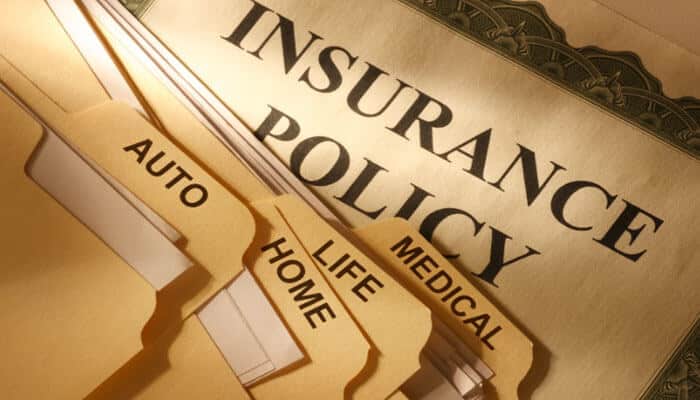
The largest worldwide insurance companies operate in five different sectors, which include:
- Life and annuities
- Property and casualty insurance
- Health insurance
- Commercial insurance
- Reinsurance
Their international expansion allows them to distribute risks across multiple regions and business sectors, which improves their long-term financial stability and ability to remain solvent.
Insurance Companies Ranking
The insurance companies ranking system enables consumers to assess various insurers through specific performance indicators which can be objectively measured. The rankings provide essential information because selecting an insurance provider represents a permanent financial commitment which shows which companies achieve consistent performance and customer satisfaction and operational dependability. The rankings combine quantitative data with qualitative assessments to determine an insurer’s total performance measurement.
Common Ranking Criteria
Insurance rankings typically assess:
- Financial strength ratings
Independent agencies evaluate whether the insurer has sufficient capital reserves and long-term stability.
- Claims-paying ability
The measure evaluates the company’s performance in processing valid claims according to established standards.
- Customer complaint ratios
The service quality improves with lower complaint levels because customers experience fair treatment during the claims process.
- Premium affordability
The relationship between pricing and coverage benefits determines how competitively products are positioned in the market.
- Coverage breadth
Insurers that provide multiple policy options which customers can tailor to their needs will achieve higher ranking positions.
- Digital user experience
The combination of online tools and mobile applications with digital claims processing systems improves user accessibility.
The organizations J.D. Power and AM Best together with multiple industry analysts produce yearly rankings which assist customers in their decision-making process.
How to Interpret Rankings
The rankings require two essential components for assessment.
- High financial ratings indicate that the company will provide dependable assistance during the claims process.
- Low complaint ratios indicate that customers are generally happy with their experience.
The company holds strong market power because its products have been accepted by a large number of customers.
The company shows operational consistency through its ability to maintain identical rankings over multiple years.
The specific coverage requirements of your policy plus your budgetary constraints should be used to assess the worth of rankings which provide essential information.
Top Health Insurance Companies
Healthcare expenses continue to rise globally, making medical costs one of the most significant financial risks individuals and families face. The medical expenses from one hospital stay or surgical procedure or ongoing medical condition will create tremendous financial burden for patients who lack adequate insurance protection. Choosing an insurance provider from the top health insurance companies becomes necessary for achieving secure financial health throughout your life. The strongest providers distinguish themselves through broad coverage networks, affordable premium structures, efficient claims handling, and strict regulatory compliance.
Key Features of Strong Health Insurers
Top health insurers typically offer:
-
Wide hospital and provider networks
A large network enables policyholders to access medical services from qualified doctors and specialists and hospitals without incurring high out-of-pocket expenses.
-
Preventive care coverage
The combination of routine checkups and screenings and vaccinations enables early health issue detection which leads to reduced future medical costs.
-
Transparent policy terms
The documentation explains to policyholders how deductibles and co-pays and exclusions work together with their coverage limits.
-
Fast claims settlement
The system processes claims efficiently which allows for rapid reimbursement to both patients and healthcare providers thereby reducing their financial burden.
-
Digital health tools
The combination of online portals and telemedicine services and mobile apps creates new ways to access healthcare services while providing users with better convenience.
The importance of health insurance stability exists because it protects both individuals and their families.
Strong health insurers protect against:
- Emergency hospitalization costs
- Surgical procedures and specialized treatments
- Ongoing care for chronic illnesses
- Prescription medication expenses
- Long-term care or rehabilitation needs
An insurer’s ability to control escalating medical costs through their premium pricing and coverage delivery system establishes the foundation for financial protection.
Most Trusted Insurance Companies
Trust serves as the fundamental element which supports the entire insurance industry. The purchasing process for coverage by individuals and businesses establishes an essential trust relationship between them and the insurer which guarantees financial support during covered loss situations. The most trusted insurance companies build this confidence through consistent service delivery, transparent communication, and ethical claims handling practices over many years of operation.
What Builds Trust?
Trustworthy insurers consistently demonstrate:
-
Clear policy language
Policies written in understandable terms reduce confusion and help customers know exactly what is covered and what is excluded.
-
Fair underwriting practices
Risk assessments should be based on objective criteria which do not include any secret requirements or discriminatory practices.
Ethical claims investigations
Legitimate claims get handled with complete honesty during all operational stages which prevents any unwarranted delays or improper denials.
-
Responsive customer support
Accessible service teams provide timely assistance when policyholders need clarification or guidance.
-
Regulatory compliance
Adhering to industry regulations ensures accountability and consumer protection.
Customer-Centered Approach
Insurers who achieve high trust levels need to concentrate on:
-
Simplified policy documentation
The system provides better understanding through simplified contract summaries which show all contract details in an easily readable format.
-
Fast claim approvals
Quick payouts reduce financial stress during difficult times.
-
Customer education initiatives
Informative resources empower clients to make informed decisions.
-
Strong dispute resolution processes
Fair complaint handling reinforces long-term credibility.
Trustworthiness depends on an organization maintaining its operations for a long time while building a reliable brand identity and demonstrating consistent results in financial strength and customer contentment.
Types of Insurance Offered by Top Providers
Top insurers usually offer diversified products which include the following insurance types
Life Insurance
- Term life
- Whole life
- Universal life
- Variable life
Health Insurance
- Individual plans
- Family coverage
- Employer-sponsored plans
Auto Insurance
- Liability coverage
- Comprehensive and collision
- Usage-based insurance
Property Insurance
- Homeowners insurance
- Renters insurance
- Commercial property insurance
Business Insurance
- General liability
- Professional liability
- Workers’ compensation
- Cyber insurance
The practice of diversifying operations helps businesses achieve stable performance while providing better service to their customers.
Financial strength ratings play a critical role in evaluating the stability and reliability of insurance companies. The assessment of an insurer’s financial capacity to fulfill its obligations becomes crucial because policyholders rely on insurers to provide claims payments which may occur many years after they purchase their policies. The independent credit rating agencies conduct their assessments of insurers to evaluate the companies’ financial health and their ability to pay claims over an extended period.
The agencies conduct their assessments through the examination of multiple factors which include the following elements:
- Capital reserves and surplus levels
- Profitability trends and investment performance
- Risk exposure and diversification
- Debt levels and liquidity
- Management effectiveness and governance practices
Some of the most recognized rating agencies include:
- AM Best – Specializes in rating insurance companies and focuses on claims-paying ability.
- Moody’s – Provides global credit ratings based on financial strength and risk management.
- Standard & Poor’s (S&P) – Evaluates financial stability and long-term creditworthiness.
- Fitch Ratings – Assesses solvency, capital adequacy, and financial sustainability.
The insurance company maintains full financial capacity to meet policy obligations during economic downturns and major disasters according to high ratings from these agencies. The combination of strong financial ratings and reduced risk of insolvency provides consumers and businesses with increased assurance about receiving their claims during critical situations.
Digital Transformation in Insurance

The insurance industry has undergone significant digital transformation in recent years. Modern insurers use advanced technology to enhance their operational processes while delivering better customer service and conducting more accurate risk assessment. The current financial market requires businesses to adopt digital solutions because they have become essential for maintaining competitiveness.
Today’s insurance companies increasingly rely on:
-
Artificial intelligence (AI)
AI enables insurers to assess extensive data collections while identifying fraudulent activities and creating tailored pricing models and developing automated customer support solutions through chatbots and virtual assistants.
-
Data analytics
Advanced analytics enable more precise risk assessment, which helps insurers determine policy prices while they manage their risk exposure.
-
Automated underwriting
Automation speeds up the approval process by reducing manual paperwork and minimizing human error in evaluating applications.
-
Mobile apps
User-friendly mobile platforms allow customers to manage their policies while tracking claims and making payments and accessing support at any time.
-
Online claims filing
Digital claims submission simplifies the process because it enables policyholders to submit documents and photos and information with speed.
The digital capabilities which these systems provide create better user experiences while they decrease operational costs and enhance business productivity. Insurers who adopt digital solutions will gain better market position because their digital investments will enable them to deliver services faster and maintain competitive pricing while achieving better financial outcomes.
How to Choose Among Top Insurance Companies
The process of selecting an insurance company requires more than selecting a well-known brand. The company you choose must meet your particular financial requirements and risk tolerance and future security requirements according to your specific protection requirements. The assessment process requires multiple factors to be evaluated because it enables you to obtain trustworthy coverage and financial stability throughout your entire life.
When choosing among top insurance companies, consider the following:
-
Coverage needs
The policy must provide enough protection for all your potential hazards. You need to examine coverage limits together with optional add-ons and exclusions to determine whether the policy matches your individual needs and business requirements.
-
Premium affordability
A lower premium may seem attractive, but it should not come at the expense of insufficient coverage. You must find a balance between affordable costs and sufficient coverage.
-
Financial strength rating
You need to check the financial strength ratings from AM Best and S&P because these ratings show whether the insurance company can handle its future financial obligations.
-
Customer reviews and satisfaction scores
The real customer feedback provides information about the quality of service and the claims handling process.
-
Claims settlement ratio
The company approves and pays most of the claims that it receives according to the higher ratio.
-
Policy exclusions
You need to learn about the policy exclusions because this information helps you prevent unexpected issues during the claims process.Your financial protection increases when you compare multiple insurance companies because this process helps you find complete coverage options together with fair pricing and reliable claims assistance.
The selection of an incorrect insurance provider results in financial repercussions that reach critical levels. The insurance company provides a combination of attractive premiums and marketing promotions, which lead to financial problems. Insurance exists to deliver protection during times of unpredictability, yet its effectiveness depends on the financial stability and reliable operations of insurance providers.
The choice of an unstable insurance company results in the following outcomes:
-
Claim delays
Emergency situations experience extended delays because operational systems and internal processing systems do not function properly.
-
Disputed payouts
Insurers who interpret policy terms in a narrow manner will reject claims or approve only partial payments, which creates financial risk for policyholders.
-
Premium increases
Insurance companies with ineffective risk management systems will increase premium costs, which leads to unaffordable coverage expenses for customers.
-
Insolvency risks
The extreme situation occurs when financially unstable insurance companies lose their ability to fulfill claim payments while facing regulatory enforcement actions.
The selection of an incorrect insurance provider not only results in financial losses but also creates stress and uncertainty during challenging times. Financial security depends on partnering with a stable, transparent, and reputable provider that has a proven track record of honoring its commitments and maintaining strong capital reserves over the long term.
Insurance Industry Trends in 2026
The insurance industry keeps changing because technology and data analytics and global risk factors create new ways for insurers to work. The year 2026 will bring innovations that create customer benefits in addition to establishing better financial security and improved risk assessment methods. The insurance industry depends on emerging trends which help insurers maintain their market position while building their financial strength.
Key industry trends include:
-
AI-driven underwriting
Artificial intelligence completes underwriting tasks through its ability to process large data sets within a few seconds. This method allows for precise risk assessment while it quickens the process of obtaining policy approvals.
-
Climate risk modeling
Insurers face increasing environmental hazards which force them to use advanced modeling tools for assessing their vulnerability to natural disasters like floods and hurricanes and wildfires.
-
Cyber insurance growth
Businesses are increasingly looking for protection against data breaches and ransomware attacks and digital disruptions because cyberattacks have become more common.
-
Embedded insurance products
Consumers now receive insurance protection when they make online purchases or book travel or use financial services.
-
Personalized pricing models
Insurers use usage-based and behavior-driven pricing methods to create customized premium rates that match specific risk levels of their customers.
The organization achieves better risk management and higher customer satisfaction through its ability to predict future outcomes and its capacity to reduce fraudulent activities and its efficient operational processes and its development of personalized insurance products.
The Role of Insurance in Long-Term Wealth Protection
Insurance serves an essential function because it protects financial assets against sudden economic disruptions which affect both individuals and companies. The purpose of insurance is to protect assets whereas investments are used to increase asset value. A single unexpected event such as serious illness or accident or lawsuit or natural disaster will destroy all financial progress which has taken years to achieve when people do not possess adequate protection. Insurance operates as a strategic element which supports a complete financial system by maintaining financial stability during periods of uncertainty.
Insurance protects:
-
Family income
Life and disability insurance replace lost income, ensuring dependents can maintain their standard of living even if the primary earner is unable to work or passes away.
-
Property assets
Homeowners and property insurance safeguard real estate and personal belongings against damage, theft, or natural disasters.
-
Medical expenses
Health insurance prevents overwhelming hospital and treatment costs from depleting savings.
-
Business operations
Commercial policies protect companies from liability claims, operational disruptions, and property damage.
-
Retirement planning
Certain insurance products, such as annuities or permanent life policies, contribute to long-term financial stability and legacy planning.
Insurance functions as a financial safety net which takes on risks while protecting built-up wealth and enabling people to trust their ability to reach financial objectives even when facing unforeseen difficulties.
Conclusion
The selection process for top insurance companies needs financial strength and service reliability and coverage flexibility to be assessed thoroughly. The market contains multiple insurers yet only a few companies maintain consistent delivery of trust and stability throughout time.
The best insurance companies combine strong capital reserves, innovative technology, transparent policies, and responsive claims management. Leading insurance companies drive industry transformation through digital innovation and global reach. The largest insurance providers offer diversification and financial resilience. Insurance companies ranking systems help consumers compare reliability.
Top health insurance companies shield families from the increasing expenses of medical treatment. Most trusted insurance companies build long-term confidence through ethical practices. Financial security requires people to establish an insurance relationship which will safeguard them during their most important life events.